
Last updated November 22, 2026
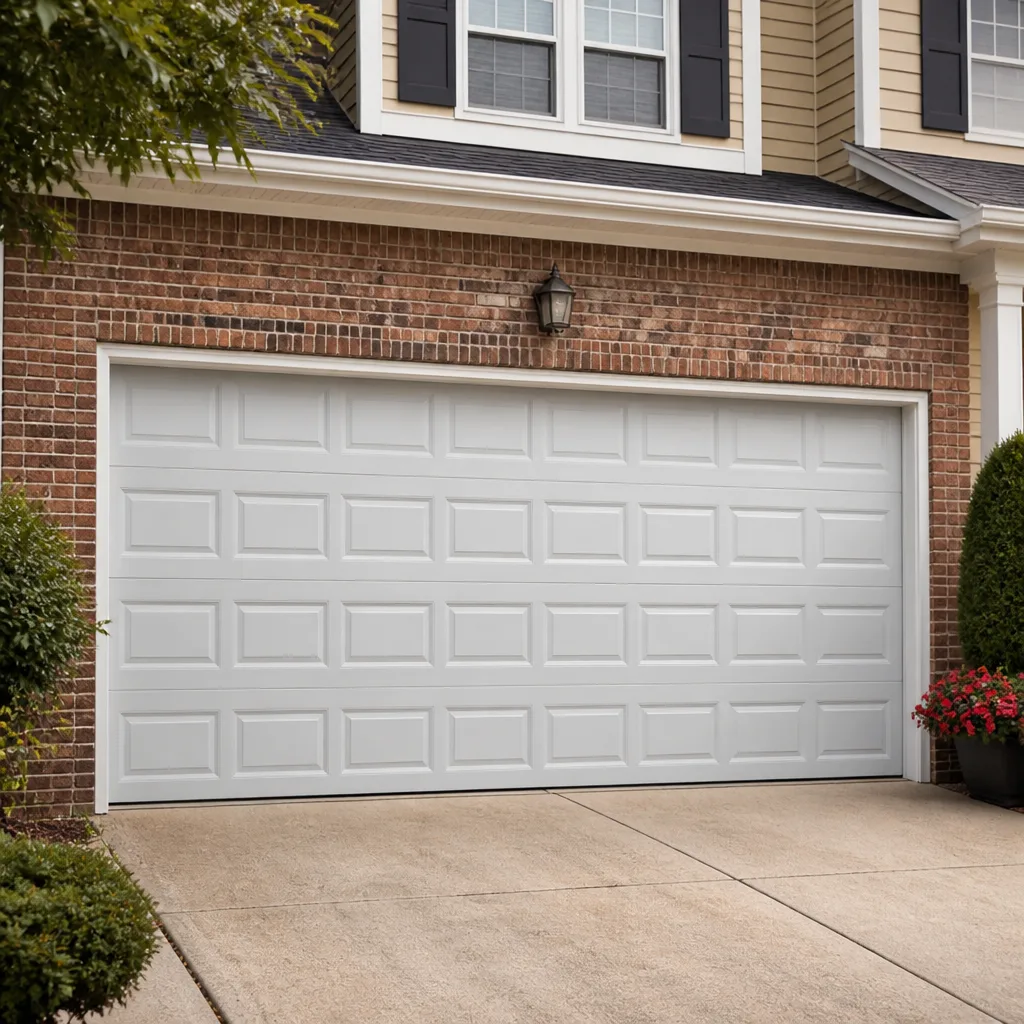 Raised-panel steel
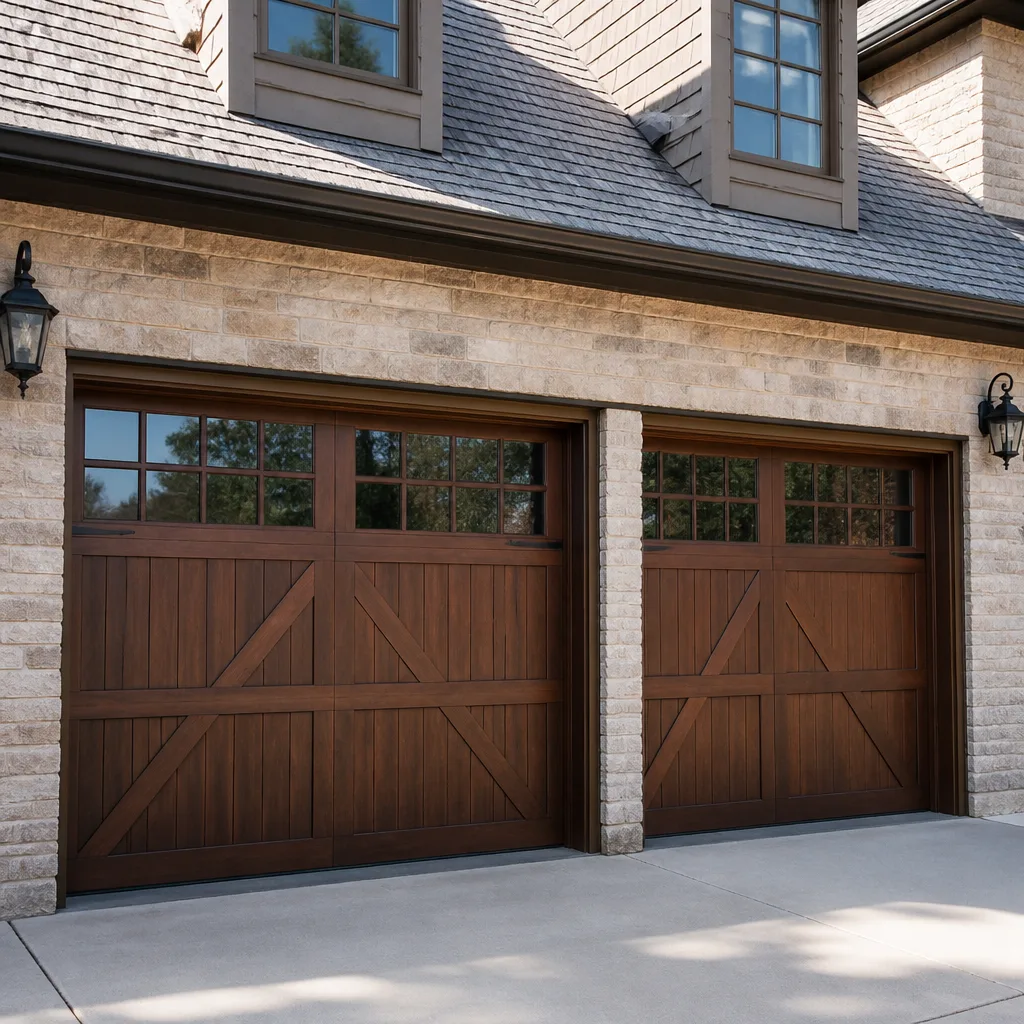 Carriage house
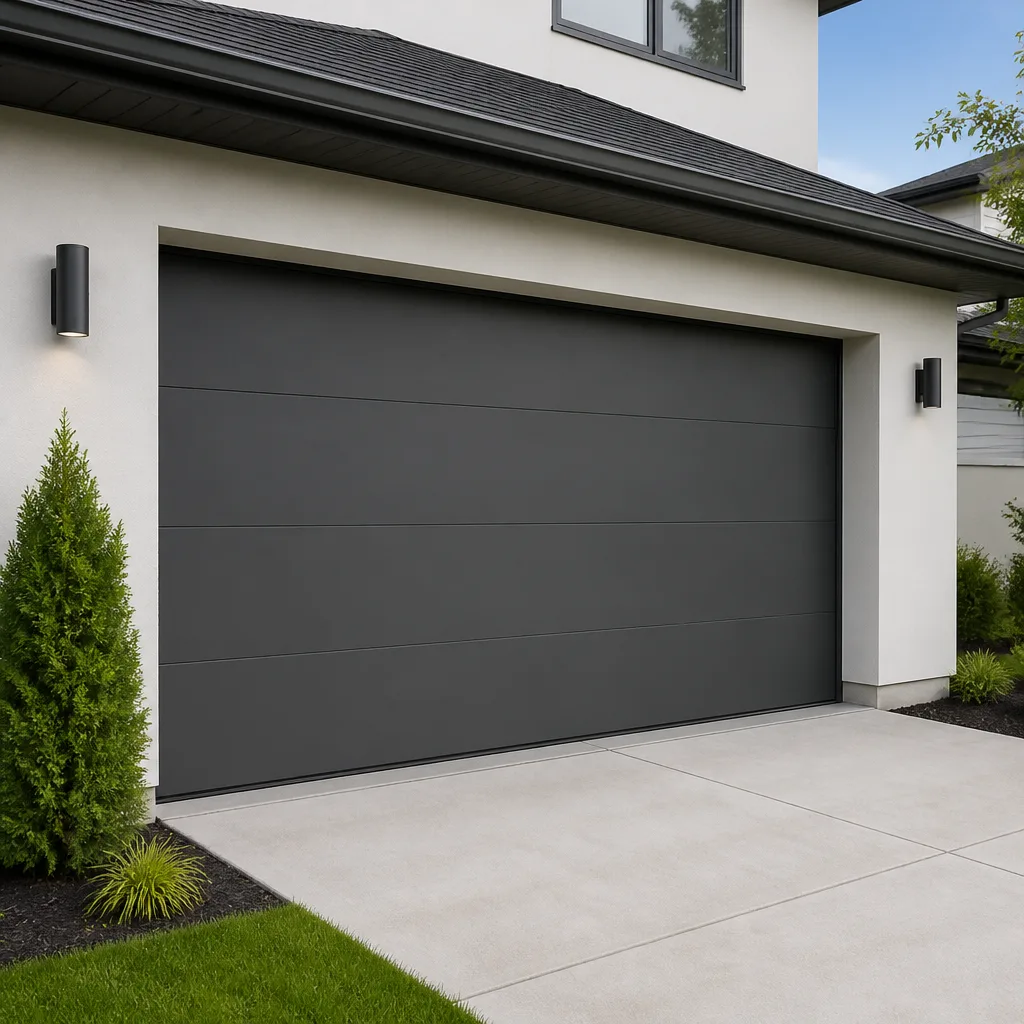 Modern flush
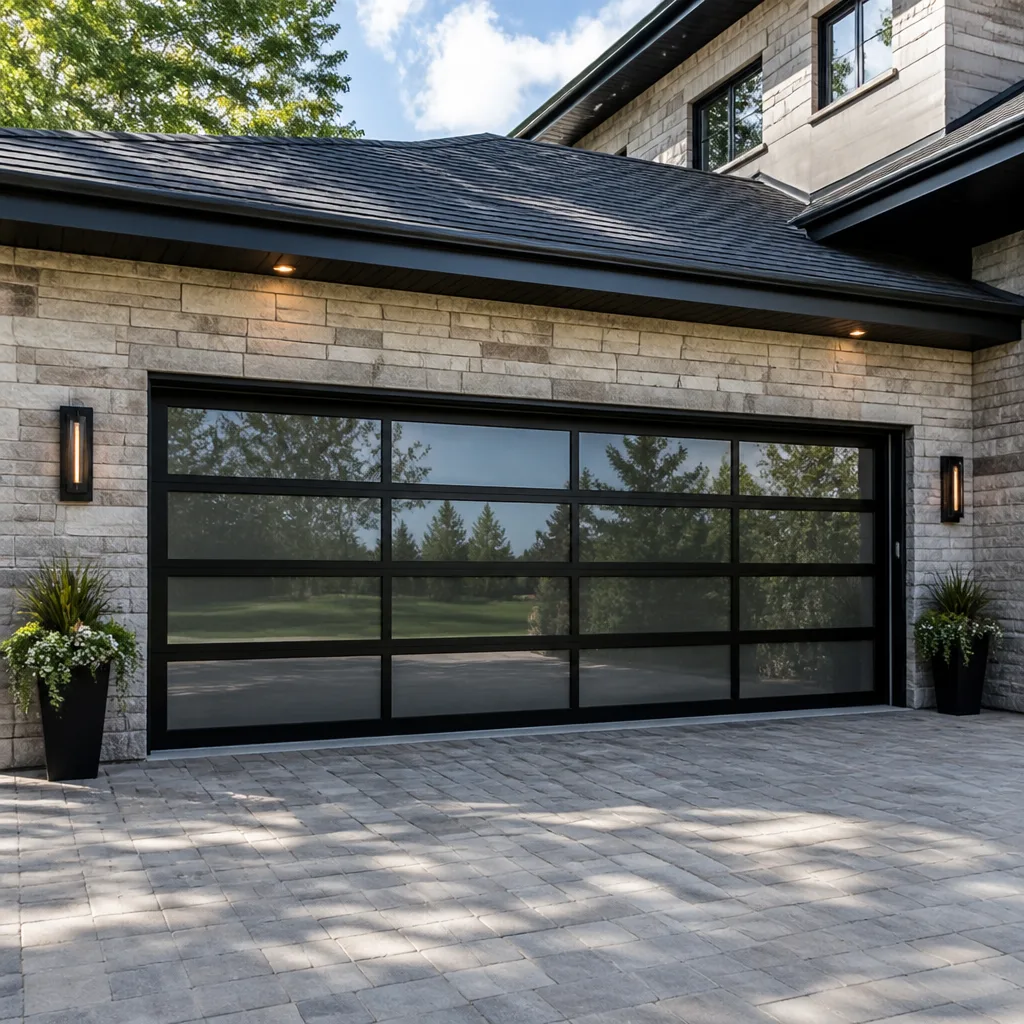 Full-view glass
 LiftMaster openers
 Chamberlain openers
Full 25-point door and opener safety check with every visit - springs, cables, rollers, tracks, and your LiftMaster or Chamberlain opener included
You get a price before we start. It does not change when the pro arrives.
Get your free estimateGarage Door Repair Maintenance Checklist for Port Saint Lucie Homeowners
Most garage door maintenance advice was written for places that freeze. It tells you to lubricate springs twice a year, watch for ice in the tracks, and keep an eye on frozen hinges. None of that applies here. In Port Saint Lucie, the things that actually shorten a door’s life are humidity, intense sun, and the run-up to hurricane season. Rust creeping into torsion hardware after a wet summer and weatherstripping baked brittle by the sun do more damage than cold ever will. This guide gives you a checklist built for this climate, month by month, so you can protect the door you have and know exactly when to bring in a specialist.
Quick Answer
A garage door maintenance checklist for Port Saint Lucie homeowners should focus on three seasonal priorities: a full corrosion inspection of springs, brackets, and cable drums right after the rainy season, a hurricane-season prep pass covering bracing, seals, and auto-reverse sensor testing, and a weatherstrip check at least once a year given the local UV intensity. Monthly tasks like visual inspection, balance testing, and track wiping take about ten minutes. Anything involving springs or cables should go to a trained technician.
Styles & brands we work with
- Raised-panel steel
- Carriage house
- Modern flush
- Full-view glass
- LiftMaster openers
- Chamberlain openers
Table of Contents
- Why Port Saint Lucie Doors Age Differently
- The Post-Rainy-Season Corrosion Inspection
- Pre-Hurricane-Season Checklist
- Weatherstripping Inspection and Replacement Cadence
- Opener Vent Checks for Humidity Infiltration
- The Month-by-Month Port Saint Lucie Maintenance Calendar
- The Ten-Minute Monthly Safety Check
- When Repair Stops Making Sense
Why Port Saint Lucie Doors Age Differently
Standard garage door advice was written for a climate with a long, cold winter. It assumes the enemy is freezing, and the seasonal rules are built around thaw. In Port Saint Lucie, the garage door has a different set of enemies, and they’re active almost every month of the year.
Humidity is the first. A garage here is not a dry box. Warm, moist air pushes into every opening and condenses on cool metal, which is exactly what your torsion bar, cable drum, and bottom brackets are made of. Steel that stays damp rusts from the inside of a seam outward, and the rust you can’t see is the rust that causes the failure.
Sun is the second. The Florida sun hits a west- or south-facing garage door for a large part of the day. That degrades the rubber weatherstrip and the bottom seal faster than anything the North experiences. A seal that’s still flexible somewhere else may already be cracking and losing its seal here.
Storm season is the third. Port Saint Lucie sits in a latitude where homeowners track hurricane season as a matter of routine. A door that’s out of balance or has a loose bracket handles a strong wind gust poorly.
Put together, these three forces mean a Port Saint Lucie door needs a different calendar than the one printed in most generic maintenance guides. That’s what the rest of this page gives you.
The Post-Rainy-Season Corrosion Inspection
Right after the wettest stretch of the local year, do a full corrosion pass on the moving hardware. Rust on the torsion bar hardware is what actually ends doors before their time here, and it starts where you don’t look. This inspection takes about twenty minutes and catches problems while they’re still cheap.
Work through the components in this order:
- Torsion bar and springs. Look for orange or reddish discoloration on the metal, especially at the ends where the spring coils are tight. Run a dry rag along the underside of the bar and check it for rust dust. Any visible pitting means the hardware has been wet.
- Bottom brackets. These sit low and take most of the splash and damp. Look for rust blooms around the bolt heads and any white powder or flaking.
- Cable drums. Check the drums at the top of the door and the drums at the bottom of the cables. Cables themselves should be inspected for frayed strands. Never touch a cable under tension – that’s a technician’s job.
- Hinges and rollers. A hinge that’s rusted stiff will squeal and drag on the track. Rollers with rusted bearings are the most common cause of a door that suddenly groans.
- Track and mounting points. Look at the lag bolts holding the track to the wall. A wicking wall can loosen a bolt over a season.
A wipe-down with a rust inhibitor on the torsion hardware after the wet season is exactly the step most homeowners skip. It’s also the one that extends door life most here. If you see deep rust, cracked spring coils, or a frayed cable, stop and call us. Spring repair is safety-critical work and needs proper tools and training, not a household screwdriver.
Pre-Hurricane-Season Checklist
Before the storm season arrives, do a structural and safety pass on the whole door system. Your two biggest jobs are confirming the door is sound enough to handle wind and confirming the safety systems work, because the same sensors that stop the door on a child also stop it on a piece of debris.
Run through this in one sitting:
- Check the bracing and mounting. Look at the vertical track brackets and the center bearing plate. Any bolt that’s loose, any bracket that’s bent, any crack in the surrounding wood needs attention before wind loads it.
- Inspect the bottom seal. The bottom rubber seal should sit flush against the floor across the full width. Hold a piece of paper under it. If it slides out easily at any point, the seal is worn and needs replacing before storm season.
- Test the auto-reverse sensors. The photo-eye sensors at the bottom of the tracks should reverse the door when the beam is broken. Wave your foot across the beam with the door closing and confirm it goes back up.
- Test the mechanical reverse. Set an object about the thickness of a 2×4 flat on the floor under the door and let the door close on it. The door should reverse within a couple of inches. If it doesn’t, stop using the door and call for service.
- Confirm the manual release works. Pull the red emergency release (with the door closed) and confirm the door can be operated by hand. Re-engage it before you use the opener again.
- Look for water stains on the ceiling of the garage. A drip that reaches the door opener or the motor housing invites the humidity problems covered further down.
You can also check the manufacturer’s instructions for your specific door and confirm any wind rating. A door that’s rated for a specific wind zone needs its hardware and brace points in good condition to perform to that rating. If you’re not sure, we work with doors from Clopay, Amarr, Wayne Dalton, and others and can tell you what your specific model needs.
Weatherstripping Inspection and Replacement Cadence
In Port Saint Lucie, plan on inspecting weatherstripping every six months and often replacing the bottom seal or perimeter strip every year. The UV intensity here is hard on rubber, and a strip that’s still flexible in cooler climates turns brittle and cracked here much faster. That’s not a sales pitch – it’s what the sun does to the material.
Here’s what to look for each inspection:
- Hardness. Squeeze the rubber at the bottom and along the sides. If it feels stiff or has developed a dull, chalky surface, it’s breaking down.
- Cracks and gaps. Look for cracks along the sealing edge and gaps where the strip meets the jamb. A small gap lets water, heat, and insects in.
- Flattening. The bottom seal compresses onto the floor. Over a year it takes a set and stops sealing well. If you can see light under the door from inside the garage, it’s due.
- Peeling or lifting at the jamb. Weatherstripping held on by nails or adhesive will lift over time. A strip that’s flapping in the wind isn’t sealing anything.
A cracked bottom seal doesn’t just let water in. It also lets a small gap open where a weatherstrip has failed, and the opener can’t tell the difference between a gap and an obstacle. When the seal is brittle, the door can also jam or take down the strip as it travels.
When you replace the seal, take the opportunity to clear and clean the bottom channel and check the door’s balance. A door that slams down hard will wear through a new seal fast. If the balance is off, a technician can adjust the spring tension rather than letting the seal take the abuse.
Opener Vent Checks for Humidity Infiltration
An opener mounted in a Port Saint Lucie garage lives in a warm, moist environment. LiftMaster and Chamberlain units are built to handle a lot, but the vents and motor housing need a quick check each season. Moisture that collects inside an opener’s housing causes a surprising share of the failures we see in the area.
Here’s the seasonal check to do yourself:
- Look at the vent slots. Openers have small vents to let heat escape. Check that they’re clean and not blocked by debris, cobwebs, insulation, or dust. A blocked vent traps heat and moisture.
- Check the housing for condensation. Run a finger along the outside of the motor housing on a humid morning. Any visible moisture on the housing means it’s getting damp, and the vents should be cleared.
- Inspect the wiring and the power unit connection. Look at the low-voltage wire running to the wall control and the safety sensors. Insulation that’s cracked or nicked needs to be covered or replaced.
- Check the light lens cover. A loose lens lets humidity in and dust into the unit. Snap it back if it’s loose.
- Look at the mounting bracket. A sagging opener stresses the motor on every cycle. If the rail sags, the opener runs hot.
If you have a Craftsman or Genie opener, the same principles apply – the vent slots help cool the motor and let condensation escape. A unit that runs much louder or slower than it used to usually has a mechanical or lubrication issue, not just a motor problem, and that’s a good time to have it checked.
If the opener acts up – reversing without an obstacle, running the motor but not moving the door, or losing remote range – it’s worth a professional look. We handle garage door opener repair on all the major brands, including units that have never been serviced.
The Month-by-Month Port Saint Lucie Maintenance Calendar
Here’s a maintenance calendar laid out by when it matters in Port Saint Lucie, tied to the local weather pattern rather than a generic seasonal template. Print this out or save it to your phone:
January – Balance test the door by hand and check the sensor alignment. Clear any buildup on the tracks from the prior year. This is a good month for a full inspection before the spring season.
February – Lubricate the hinges, rollers, and torsion bar hardware with a product made for garage doors. Wipe the track clean and clear any grit. Confirm the opener reverses on an object test.
March – Check the bottom seal and perimeter weatherstrip for hardness and cracks. If either is going, replace it now rather than waiting for the first big storm.
April – Pre-hurricane-season pass. Bracing, brackets, bolts, sensor tests, manual release. Tighten what’s loose and book anything requiring spring or cable work.
May – Check the opener vents and the motor housing for moisture. Clear any obstruction, inspect the wiring. If you have storm shutters or panels, confirm they fit with the door in its closed position.
June through September – Peak storm season. Before any named storm approaches, confirm the door is closed and locked, test the opener’s reversing function, and look at the seals. After a storm passes, do a quick visual on the door panels, tracks, and mounting points.
October – Post-rainy-season corrosion inspection on the torsion bar, bottom brackets, cable drums, hinges, and rollers. Apply rust inhibitor to the torsion hardware. Check the balance again.
November – Weatherstrip and seal check before the year’s driest stretch. Clean the tracks. Test the sensors and reverse function again.
December – Full year-end confidence check. Clean, lubricate, test the opener, and book a professional inspection if anything felt off during the year.
This calendar works for a residential door of any brand. If you’d rather not run it yourself, a professional tune-up covers all of it in a single visit.
The Ten-Minute Monthly Safety Check
Most of the routine care is doable by a homeowner. The ten-minute monthly check catches most problems before they become expensive. Work through these five steps:
- Visual pass. With the door closed, look at the springs, cables, rollers, and tracks. Look for frayed cables, bent tracks, rust, or anything hanging or loose.
- Balance test. Pull the manual release (with the door down) and lift the door about halfway by hand. It should stay put. If it drops or rises on its own, the springs need professional adjustment – don’t try to fix the tension yourself.
- Safety reverse test. Put a piece of 2×4 lumber flat on the floor under the door and let it close. The door should reverse. If it doesn’t, stop and get it serviced.
- Photo-eye test. With the door closing, wave your foot across the beam. The door should return up. Clean the lenses with a soft, dry cloth.
- Listen. A door that squeaks, groans, or bangs is telling you something. Treat the noise as a symptom, not something to tolerate.
Skip anything that puts your hands near a spring, cable, or bracket under tension. Those parts store enough energy to cause serious injury, and a slip while adjusting them can be catastrophic. If something looks wrong, the safe path is to leave the door in the closed position and call a trained technician.
When Repair Stops Making Sense
Not every door is worth repairing again. As a specialist, we can tell you when a repair will simply move the problem down the line versus when it’s a clean fix that buys years. Think about replacement when several of these are true at once:
- Repeated spring or balance failures. If the same spring has failed twice in a couple of years, the door may be off balance or undersized for its weight. A new torsion setup or a replacement door may be the smarter move.
- Multiple panel or structural issues. A door with rusted-out bottom panels, sagging sections, or a bent track on several points is a structural problem, not a parts problem.
- Safety sensors that keep going out of alignment. On an older door, worn hinges and a sagging track can knock the sensors out of line repeatedly.
- Opener at the end of its life. A motor that needs regular repairs and drives an old, heavy door may be dragging the whole system down.
- Storm damage to the door panels. A door that took structural damage may be repairable, but often replacement is the better call for the door to do its job.
If you’re ready to talk through replacement, we handle garage door installation on doors from the brands we work with regularly, and we can talk through what a replacement would mean for your specific door, garage, and situation. A replacement isn’t a same-day job, because a new door has to be measured, ordered, and scheduled. Our recommendation is always a free measure and a written price so you know the number before you commit.
Common Mistakes to Avoid
- Skipping the rust-inhibitor step on torsion hardware. Lubrication stops squeaks, but rust inhibitor protects against the corrosion that actually kills doors after the wet season. A squeak-free door can be quietly rusting underneath.
- Waiting for the weatherstrip to fail visibly. By the time you see daylight under the door, the seal has been losing its job for a while. Check it every six months rather than waiting for a puddle.
- Testing the safety reverse only once a year. Sensors drift with temperature changes and humidity shifts. Test the reverse with an object on the floor each month.
- Trying to adjust a torsion spring yourself. A torsion spring stores a tremendous amount of energy. The most common serious injury in garage door work comes from homeowners handling springs. Leave it to a trained technician.
- Ignoring a slow or noisy opener. A motor that’s gotten louder or slower usually has a mechanical cause. Waiting until it fails on a hot, humid day is worse than calling early.
- Assuming a track looks fine because the door still opens. A slightly bent track slowly chews through rollers and can throw the safety sensors out of alignment over time.
- Using a generic maintenance calendar written for cold weather. A checklist built around freezing won’t remind you to check for post-rainy-season corrosion or to test the sensors before hurricane season. Use the local one.
See the difference
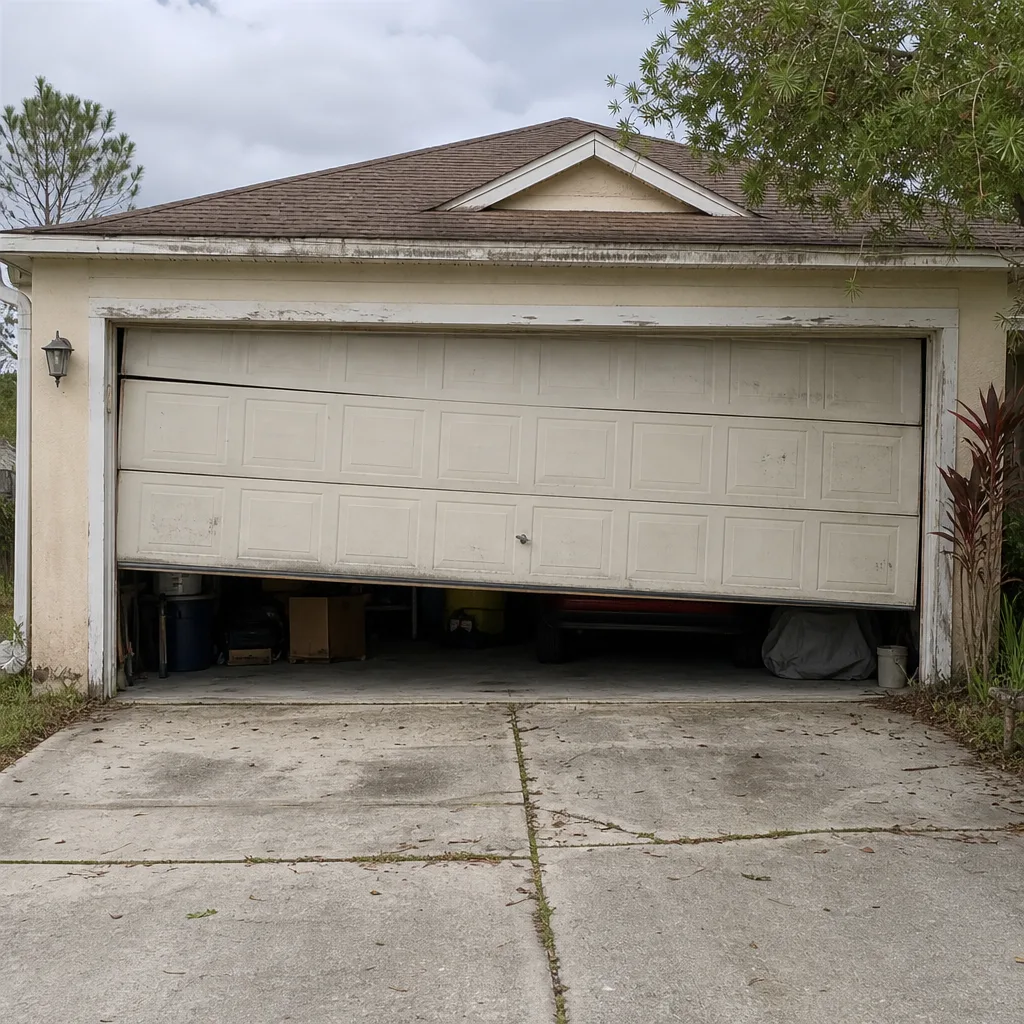 Before
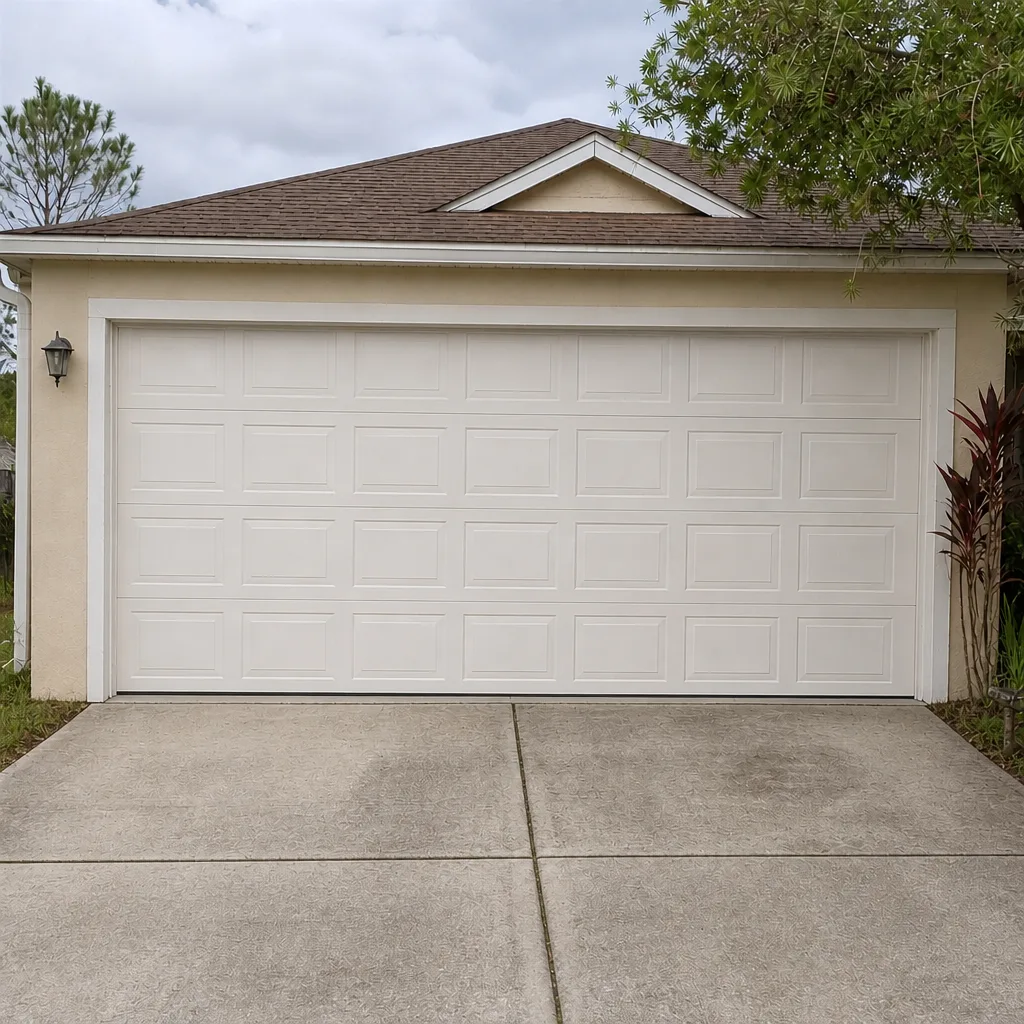 After
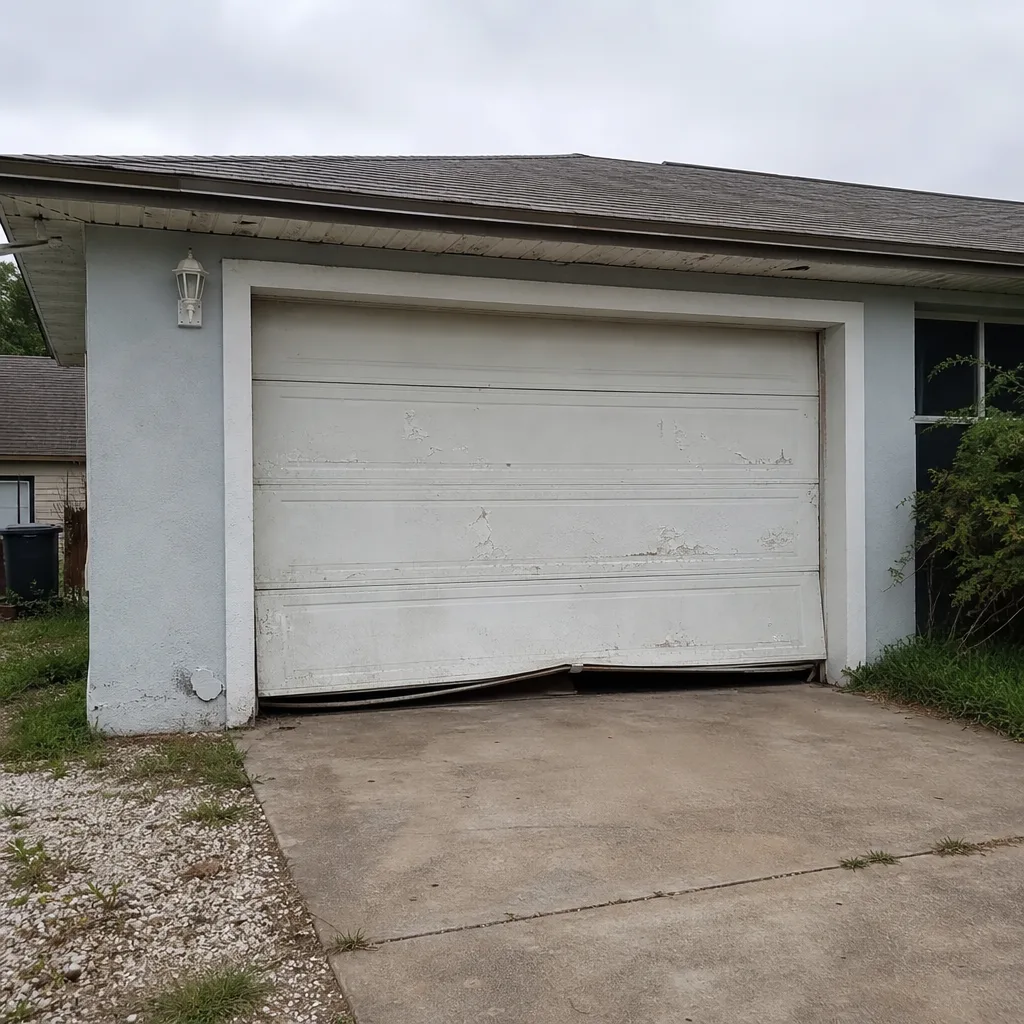 Before
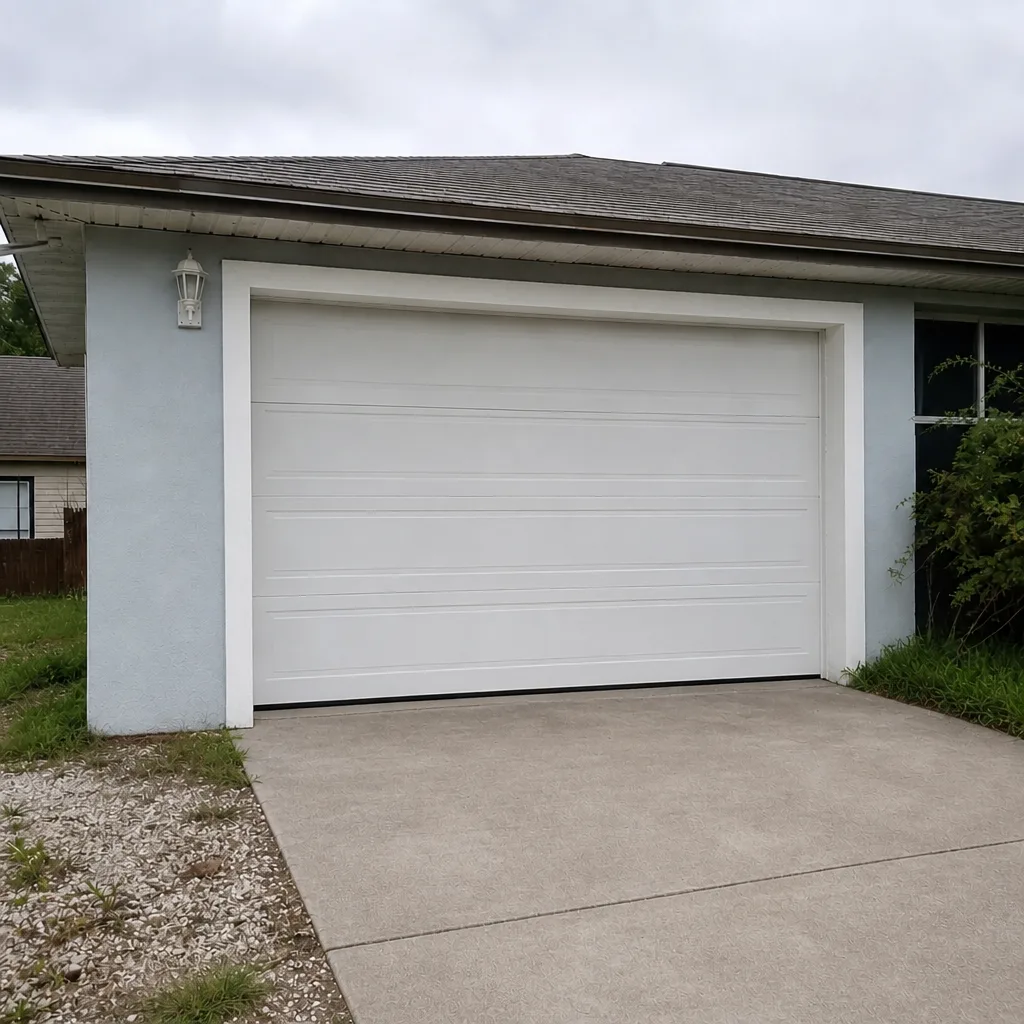 After
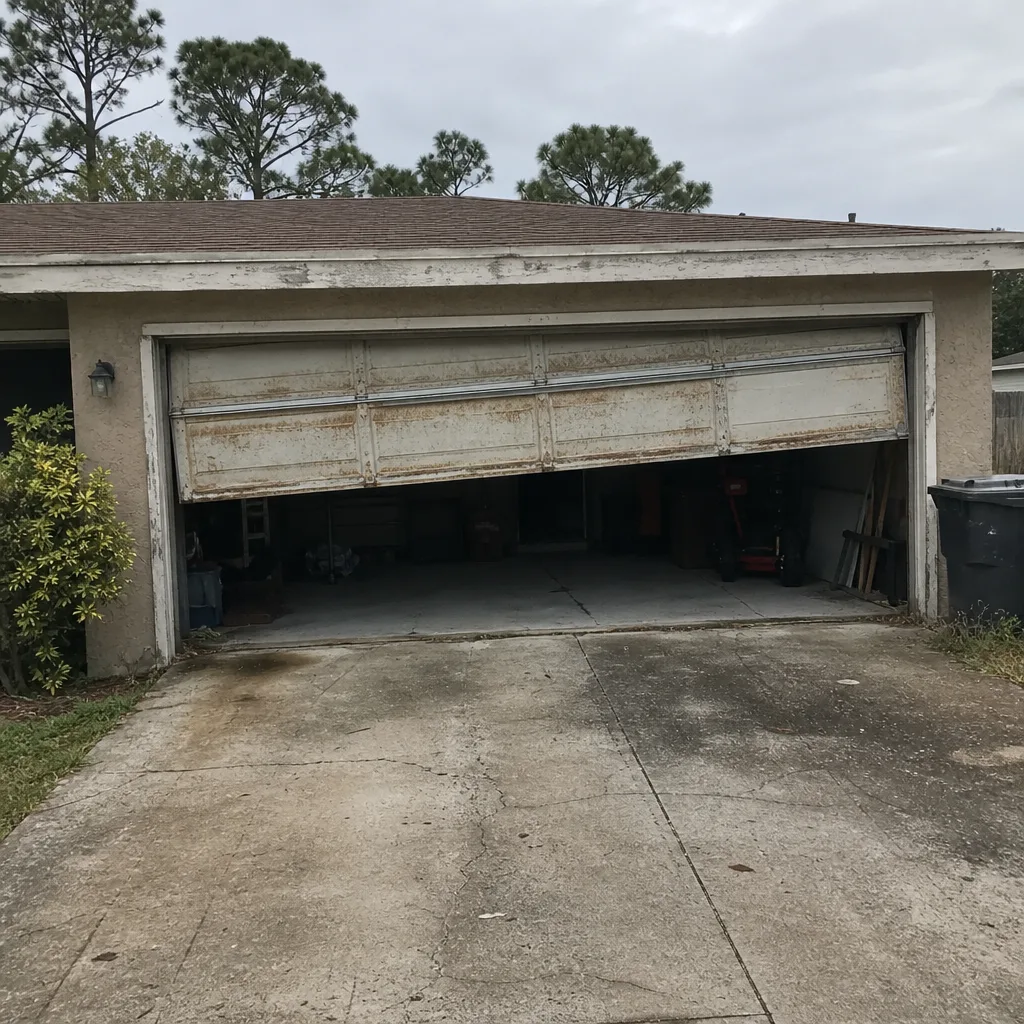 Before
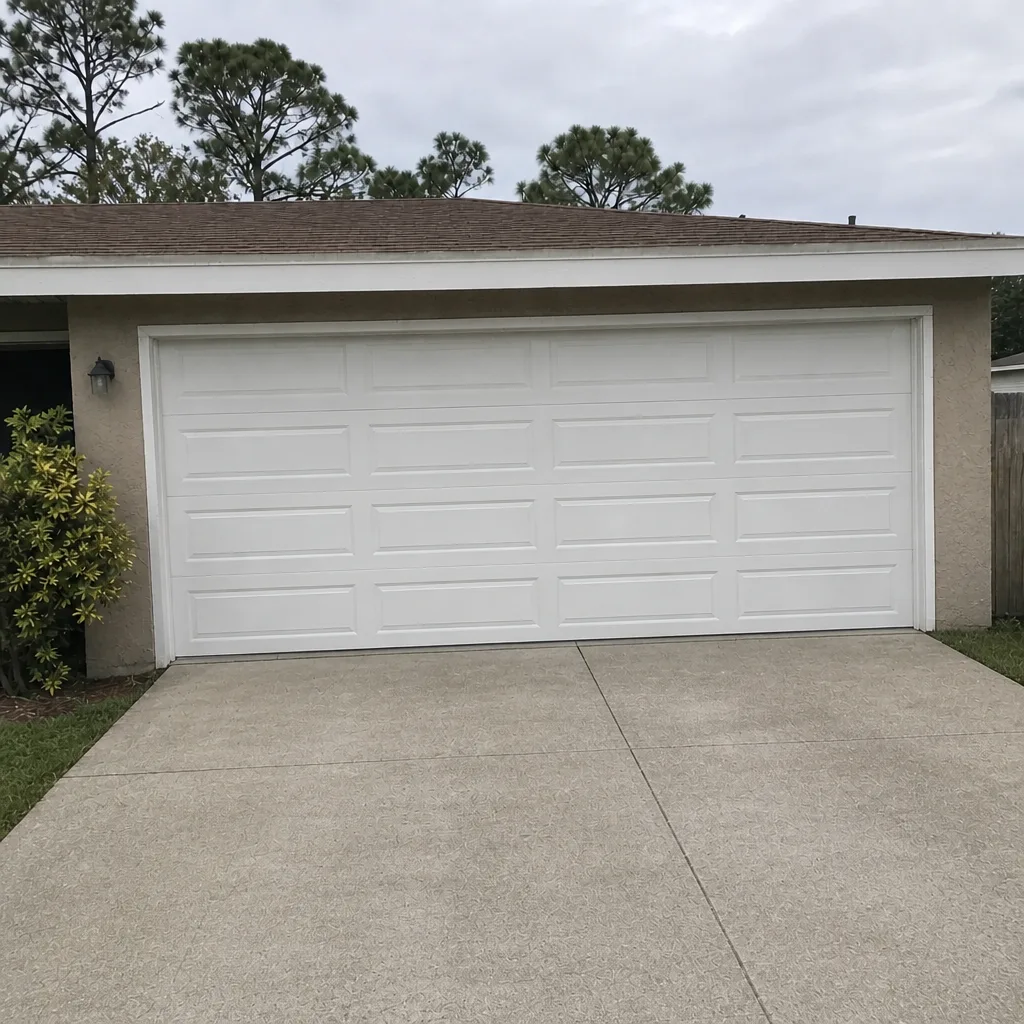 After
When to Call a Professional
Some jobs are safe for a homeowner to handle, and some aren’t. Call a trained technician when the issue involves a torsion spring, a cable, a bottom bracket, a bent track, or an opener that’s reversing without a visible cause. Call when the door is out of balance, when a spring has visibly cracked, when the door moves crookedly, or when you hear a loud snap – that’s a spring letting go, and the door should not be used.
Our technicians have up to 10 years of experience and work on all the major residential brands, from LiftMaster openers to Wayne Dalton and Raynor doors. Everything we do is garage doors. If a repair is needed, we bring parts where we can and aim to fix it in one visit. We answer the phone whenever you call, with fast dispatch from 7am to 7pm, Sunday through Friday. We don’t offer Saturday service. Port Saint Lucie Garage Door Repair Pros offers free estimates in Port Saint Lucie – call (855) 814-2973.
Frequently Asked Questions
Do a ten-minute visual and safety check once a month, a full inspection once after the rainy season and once before hurricane season, and check the weatherstripping every six months. Because of the humidity and sun here, the bottom seal and perimeter weatherstrip typically need replacing once a year. A professional tune-up once a year covers all the mechanical and safety items in one visit.
You can wipe down the torsion bar hardware with a rust inhibitor and apply garage-door lubricant to the hinges and rollers, but keep your hands off the springs themselves. A torsion spring is under heavy tension, and adjusting it without proper tools and training can cause serious injury. If you have any doubt, call a technician and leave it to us.
Testing the auto-reverse and photo-eye sensors is the most important step, because a door that doesn’t reverse on an obstacle becomes a hazard. The next most important is checking bracing and mounting hardware. A door that’s properly balanced, sealed, and structurally sound handles wind far better than one that’s loose or out of adjustment.
Look for condensation on the motor housing, clear the vents, and check whether the unit runs hotter, louder, or slower than it used to. A LiftMaster or Chamberlain opener that suddenly sounds strained usually has a mechanical or lubrication issue, not just a motor problem, and is worth a professional look. Clear the vent slots of dust and debris each season.
Yes, cracked or hardened weatherstripping is very common here. The UV intensity breaks down rubber faster than in cooler climates, so a bottom seal or strip often needs replacing every year or two. Replacing a worn seal restores the water and insect seal and stops a gap from opening between the door and the floor.
Repair is usually the right call when the issue is a single component – a spring, a roller, a sensor, or an opener. Replacement makes more sense when there are repeated failures, structural damage to several panels, or a combination of an aging door and an aging opener that keeps needing work. A free estimate gives you a written price either way, and we walk through both options so you can decide.
The Bottom Line
A garage door maintenance checklist built for cold weather doesn’t match Port Saint Lucie. The tasks that matter here are the post-rainy-season corrosion inspection on your springs, brackets, and cable drums; the pre-hurricane-season pass on bracing, bottom seals, and safety sensors; weatherstrip checks every six months given the UV intensity; and seasonal vent checks on your opener. Handle the safe monthly items yourself, and leave springs, cables, and anything that raises a safety concern to a trained technician. Keep the calendar, and your door will age on your terms instead of on the weather’s.
If you’d like a trained eye on your door, we can help. We work on all the major residential brands, we understand the local climate, and we handle everything from a tune-up to spring repair to a full replacement. When you’re ready, call Port Saint Lucie Garage Door Repair Pros at (855) 814-2973 for a free estimate. We answer 24/7. Fast dispatch from 7am to 7pm, Sunday through Friday.
If you need a specific repair rather than a routine check, read our guide to garage door repair and we’ll walk you through what a typical job involves.
Written by the team at Port Saint Lucie Garage Door Repair Pros.