
Last updated November 22, 2026
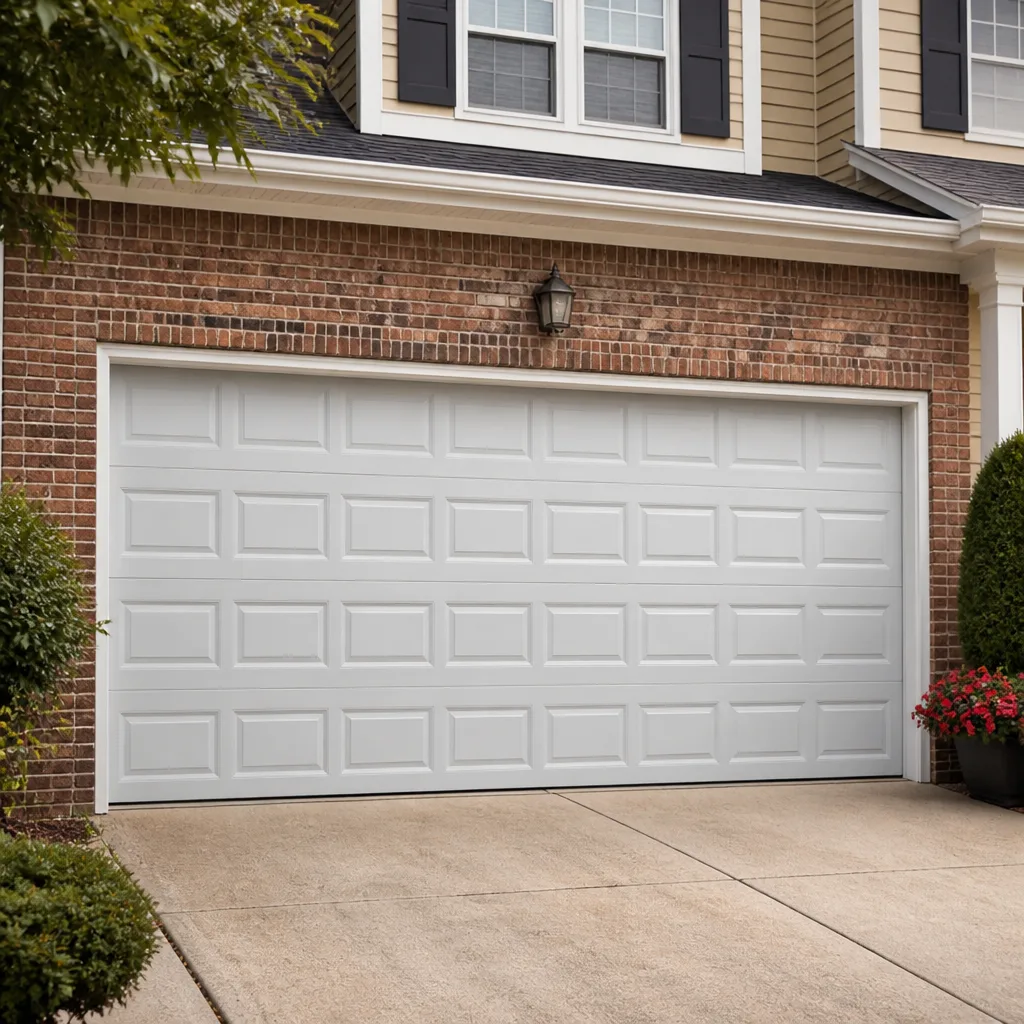 Raised-panel steel
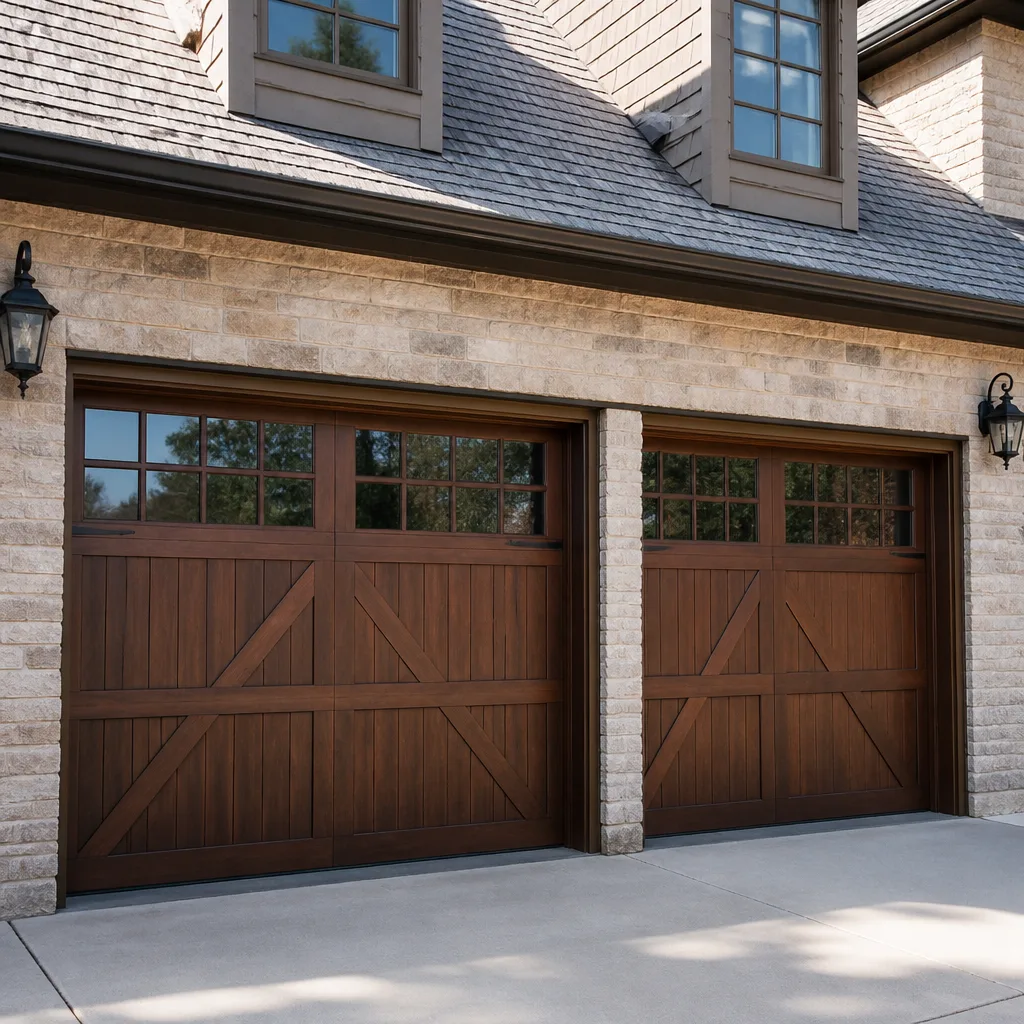 Carriage house
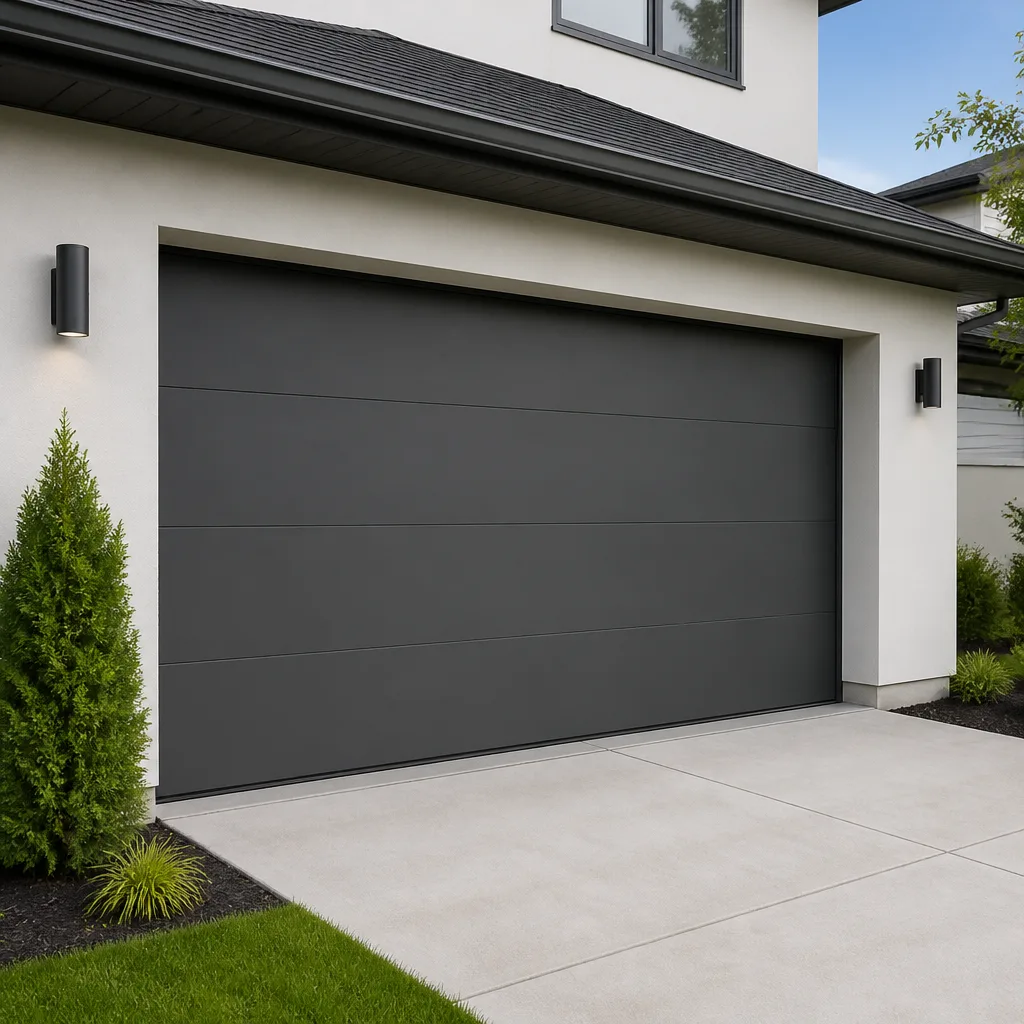 Modern flush
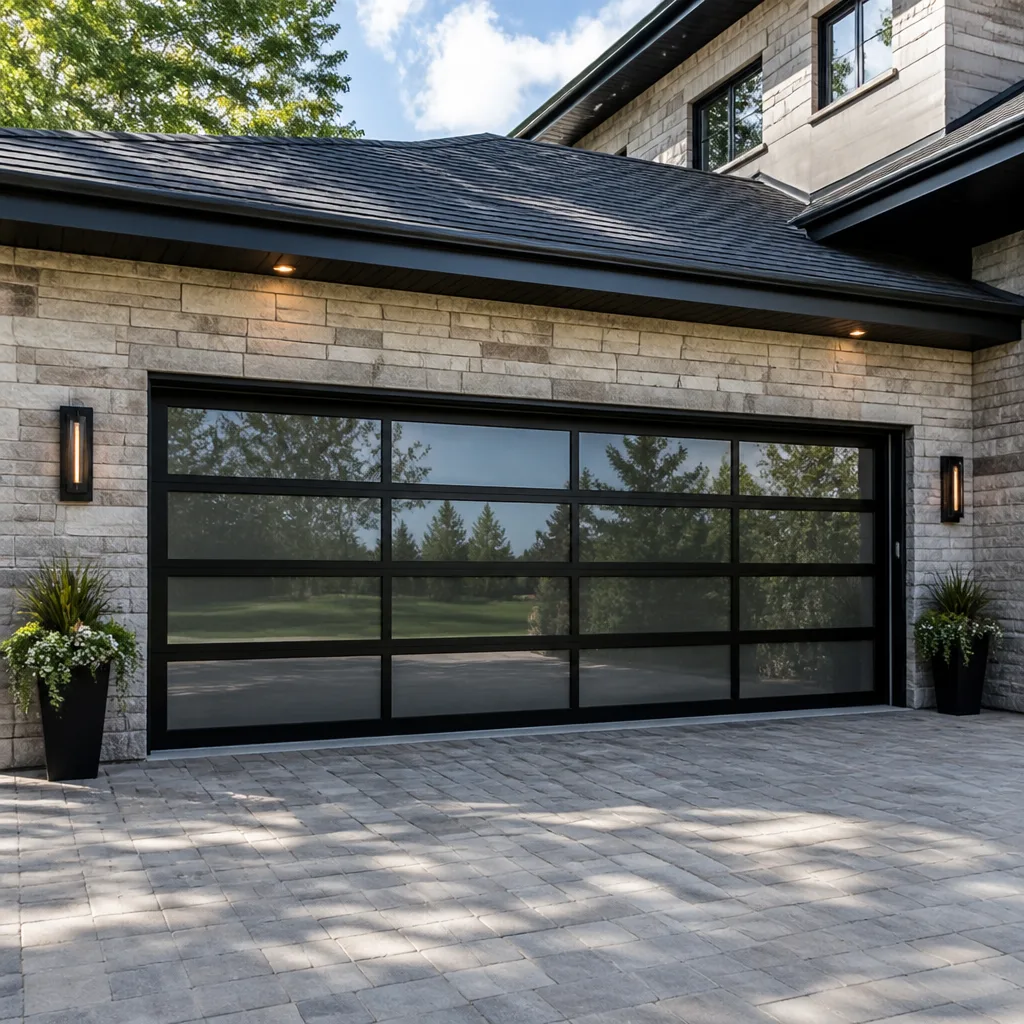 Full-view glass
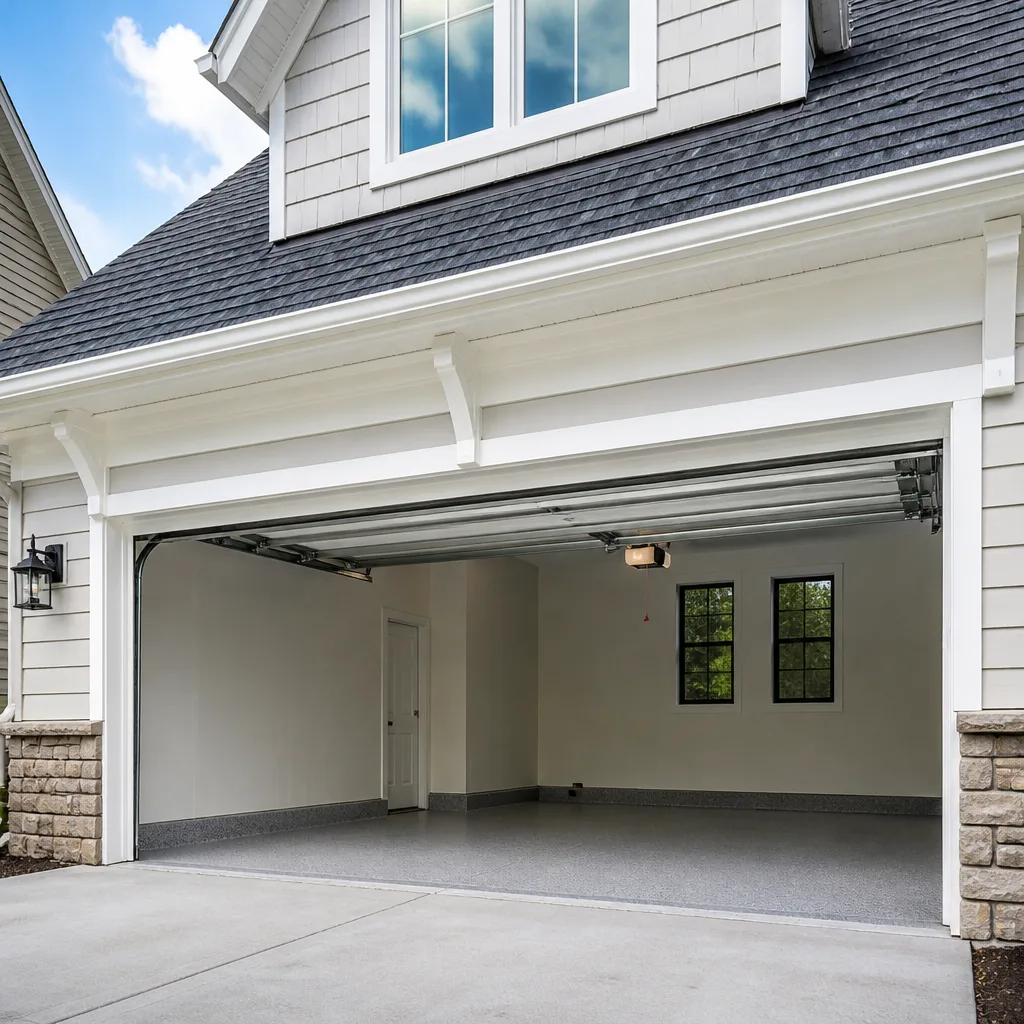 LiftMaster openers
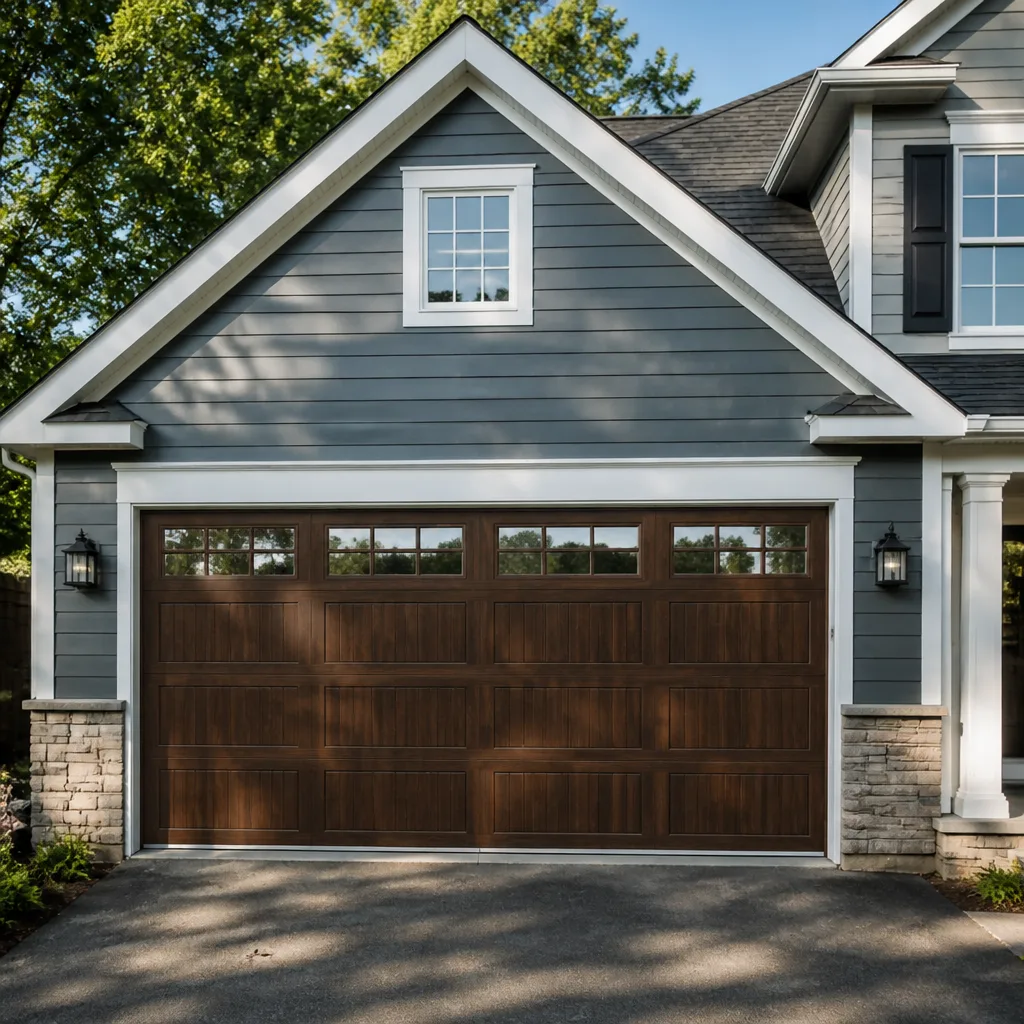 Chamberlain openers
Full 25-point door and opener safety check with every visit - springs, cables, rollers, tracks, and your LiftMaster or Chamberlain opener included
You get a price before we start. It does not change when the pro arrives.
Get your free estimateGarage Door Warning Signs: A Port Saint Lucie Homeowner’s Reference Guide
When your garage door hesitates on a humid morning and then runs fine by noon, that’s not a vague “opener issue.” In Port Saint Lucie it’s almost always one of two things: moisture working into the opener’s logic board, or a swollen panel dragging against the track. Knowing which one you’re hearing changes the repair call you make, and it changes what that repair should cost. The same is true for a spring that looks rusty, a door that grinds instead of squeals, and a door that has slowed down over a few months without ever failing outright.
This guide maps the warning signs homeowners in Port Saint Lucie actually see to their most likely causes in our climate and our housing stock. You’ll learn what each sound, symptom and visual cue usually means, how to describe it accurately before a technician arrives, and where the line sits between a repair and a replacement.
Quick Answer
The most common garage door warning signs in Port Saint Lucie are morning-only hesitation, grinding or popping during travel, visible spring rust that travels the full coil, panels that close crooked, and a photo-eye that keeps tripping even when nothing is in the way. A single symptom usually points to one cause. Two or three together usually point to a door that’s out of balance. Any symptom that involves a broken, separated or sagging spring is a stop-use issue: keep the door down and have it examined by a technician.
Styles & brands we work with
- Raised-panel steel
- Carriage house
- Modern flush
- Full-view glass
- LiftMaster openers
- Chamberlain openers
Table of Contents
- Why Port Saint Lucie Humidity Creates False Sensor Problems
- Noise Diagnostics: Grinding vs. Squealing vs. Popping
- What Spring Rust Actually Tells You (and What It Doesn’t)
- Slow Door? Telling Spring Tension from Track Alignment from Opener Torque
- Visual Warning Signs to Check from the Ground
- When a Repair Turns Into a Replacement
- Brand-Specific Signs and Why They Matter
- Monthly Walk-Around Checklist
Why Port Saint Lucie Humidity Creates False Sensor Problems
If your door reverses for no reason, the obvious suspect is the safety sensor. In Port Saint Lucie, it’s often not the sensor at all. Our humidity sits high for much of the year, and that humidity does two things that mimic a sensor fault. First, it fogs the sensor lens from the inside, so the beam scatters instead of locking cleanly. Second, it swells the wood or composite panel edges just enough that a door which sat square in drier air now rides a fraction off and trips the beam on the way down. The door isn’t faulty. It’s responding to the air.
You can separate the two causes without tools. Here’s how to check:
- Wipe both sensor lenses dry and run the door through a full cycle. If it closes cleanly, you have a lens-moisture issue, not a dead sensor.
- If the door still reverses, look along the base of the door where the panels meet the track. A sliver of daylight or a visible binding point suggests swelling.
- Run the door at the same time the next morning. A symptom that comes and goes with the time of day is a climate symptom, not an electrical one.
- If the door reverses only when the sun hits the sensor directly, the sensor is realigning with heat expansion and the bracket needs adjustment.
Port Saint Lucie homes with west-facing garages see the heat version of this most often. The afternoon sun expands the metal bracket just enough that the beam drifts off its target. It’s a twenty-minute fix, but it’s a fix, not a replacement part. Don’t let a recurring morning reversal convince you the opener is failing.
Noise Diagnostics: Grinding vs. Squealing vs. Popping
Sound is the best evidence you have before anyone arrives, and it’s the thing most homeowners describe inaccurately to their own disadvantage. “It’s making a noise” tells a technician nothing. Grinding, squealing and popping each point at a different part of the system. Get the word right and the diagnosis starts before the visit. Here’s how we’d sort them:
- Grinding is usually metal against metal. It’s most often worn rollers dragging in the track, a dry hinge, or a track that’s been knocked slightly out of alignment. In older Port Saint Lucie homes with steel tracks, it can also be the track itself starting to corrode.
- Squealing is friction, not damage. Rollers, hinges and the torsion bar all need lubrication, and our humidity works grease out faster than dry climates do. Squealing is a maintenance sound, not an emergency.
- Popping is the one to take seriously. A pop during travel usually means a torsion spring is winding and unwinding unevenly, often because it’s cracked along the coil. Stop using the door and have it looked at. A spring under tension is not a part to experiment with.
- Banging or a hard slam at the end of travel points to spring tension or a door balance problem rather than the opener motor.
What door you have affects which noise you’ll notice first. A Clopay or Amarr steel door in most Port Saint Lucie subdivisions amplifies a bad roller into a grind that echoes. A lighter Wayne Dalton door may squeal more than it grinds. Raynor and Craftsman setups often produce the loudest pop because the torsion bar carries more load per spring. Our technicians have up to 10 years of experience and hear all eight major brands enough to recognize the sound before they look. If you can record the noise on your phone, do it. A recorded pop is worth more than a description every time.
What Spring Rust Actually Tells You (and What It Doesn’t)
Almost every spring in Port Saint Lucie develops some surface rust. That alone doesn’t mean failure. What matters is the pattern. Surface oxidation sits on the outside of the coil and looks like a dusting. A spring that’s genuinely close to failing shows rust that has worked into the gaps between the coils, or a dark, wet-looking band somewhere along the length. If a visible crack or separation appears, that’s not a warning sign anymore, it’s a stop-use condition.
Here’s how to read what you’re looking at, from a safe distance on the floor and never by hand:
- Look at the full length of the spring, not just the ends. Rust concentrated at the ends only is common and usually benign.
- Look for a dark band across the middle of the coil. That’s where a spring typically cracks first.
- Look for an actual gap between coils. A gap means at least one coil is broken.
- Look at the door with the spring in view but the door fully down. A door with a sagging or separated spring will sometimes sit slightly crooked even at rest.
If you find a broken or gapped spring, don’t try to raise the door and don’t try to test the balance. High tension springs and the cables attached to them are the most dangerous parts of a garage door, and the injury risk is real, not theoretical. Spring repair is work for a trained technician, not a homeowner task or a job for a general handyman. We handle spring repair on extension and torsion systems on all the major brands, and it’s the part of the job most homeowners ask us about first. If you want a plain explanation of what replacing a spring involves, our garage door repair page covers the process.
Slow Door? Telling Spring Tension from Track Alignment from Opener Torque
A door that runs slower than it used to is one of the hardest signs to read because three different problems produce nearly the same symptom. The good news is that each has a distinct tell, and you can isolate it in under five minutes using only the manual release. Here’s the test:
- Pull the red manual release handle so the opener disconnects from the door.
- Lift the door with your hand about halfway up. It should move easily and stay where you let go.
- If it’s heavy to lift and slams down when released, the springs have lost tension. That’s a spring problem, not an opener problem.
- If it lifts easily but binds or scrapes at one side, the track is out of alignment. Look for a bend or a loose bracket.
- If it moves freely by hand but the opener still runs it slowly, the opener’s torque or travel settings are the cause. That’s a limit or force adjustment on the opener itself.
Re-engage the release by hand before you use the door again. Once you know which of the three you have, the repair is straightforward. In Port Saint Lucie, track misalignment is the most common of the three, largely because humidity-driven expansion shifts panels enough to rub the track over time. Opener torque issues are the rarest, but they show up most on older Genie and Chamberlain units whose force settings have drifted.
If the answer is your opener, this is where you’d want a garage door opener repair rather than a spring or track call. Bring the brand and model number from the label on the back of the opener with you when you call. LiftMaster, Chamberlain, Genie and Craftsman all fail in recognizable ways, and knowing which unit you have shortens the visit.
Visual Warning Signs to Check from the Ground
You don’t need to climb a ladder or touch any moving part to spot most garage door problems. A two-minute check from the floor catches the majority of issues before they become repairs. Line up a wall or a downspout as a reference point and look at the door with it closed.
- Gaps between panels. Daylight between panels means a hinge, roller or panel has shifted. This allows air, water and pests through and stresses the track.
- A crooked bottom edge. If the bottom of the door doesn’t sit level, the door is out of balance and one side is working harder than the other.
- Loose hinges. Wobbly hinges hum when the door moves and are usually the first sign of a screw working loose on older doors.
- Visible cable wear. Frayed strands or slack cables are a stop-use warning. Never touch a cable under tension.
- A track that isn’t straight. Look along the track from the base of the door up. A bend of more than a fraction is enough to grind rollers against metal.
- Panel cracking on wood-composite doors. Amarr and Clopay composite panels in Port Saint Lucie do well in humidity, but a crack near a hinge is a sign that moisture has found its way in over time.
If any of the above shows up along with a noise during operation, don’t run the door just to test it. Bring your notes to a call instead. Our Port Saint Lucie Garage Door Repair Pros team takes brand and model specifics along with the symptoms and can tell you over the phone which repair is most likely and what the range for it is.
When a Repair Turns Into a Replacement
Most warning signs point at a repair, not a new door. But there are thresholds where fixing costs more than replacing, and it’s worth knowing where they sit so you can make a decision without pressure. Here are the conditions where we’d steer a Port Saint Lucie homeowner toward a new door:
- Two or more panels are damaged or cracked. A single panel is a targetable replacement. Two or more on a door that also has hinge and roller wear usually costs more in labor than a fresh door.
- The door is out of balance and has already been repaired twice. Repeated rebalancing on old tracks and hinges is a sign the whole assembly is tired.
- Track is bent at more than one point. Tracks can be replaced individually, but multiple bends plus older rollers usually means a rebuild.
- The door is a discontinued model. If the panels, hinges or rails no longer match the current product line, sourcing parts becomes a wait. This is where our parts-supply service helps most: we can track down what still fits and tell you honestly when it can’t.
- The opener is older and the door is already failing. If a new door is happening anyway, the opener typically goes with it. A new garage door installation should include the opener and safety sensors so the whole system is matched.
An honest replacement call should always come with the price for both paths in writing. What a repair costs versus what replacing the door costs, side by side, before anyone starts work. If you’re being pushed toward a replacement without that comparison, ask for it.
Brand-Specific Signs and Why They Matter
Every major brand has a set of failure modes a technician learns to spot. Knowing which signs are brand-specific saves you from worrying about the wrong thing and shortens the repair visit.
Clopay and Amarr steel doors in Port Saint Lucie most often show panel gap and hinge movement first. Their hinge attachments are durable but work loose with humidity expansion over time. Wayne Dalton doors on the lighter side tend to show roller wear before anything else; the classic tell is a grind that starts low and rises as the door goes up. On the opener side, LiftMaster and Chamberlain units typically fail on the logic board first, while Genie and Craftsman units more often lose their force and travel settings. Raynor openers have a slightly different pattern: the trolley and chain wear before the electronics do.
This is why we ask for the brand and model number at the start of every call. Our technicians work on your brand, whether it’s a LiftMaster opener, a Chamberlain unit, a Genie or a Craftsman, on doors from Clopay, Amarr, Wayne Dalton and Raynor plus the other major lines. Garage doors are all we do. That focus is why we can name the likely repair from the symptom before we arrive.
Monthly Walk-Around Checklist
Two minutes on the first Sunday of the month catches most of what this guide describes before it becomes an expensive repair. Ten checkpoints, from the floor and without touching anything under tension:
- Run the door through one full cycle and listen for grinding, squealing or popping.
- Check the sensor lenses for fog or condensation and wipe them dry.
- Look at the door with it closed and confirm the bottom edge sits level.
- Check for daylight between panels.
- Inspect the springs for dark bands or a gap between coils.
- Look at the springs for full-length rust that isn’t just surface dust.
- Look along the tracks for bends or anything binding.
- Check the safety reverse function by placing a small object in the door’s path. The door should reverse on contact.
- Look at the openers for a blinking error light on the logic board.
- Note any loosened hinges or rivets on older doors.
A small issue caught in this list is a repair. A small issue missed becomes a spring failure, a bent track or a door that won’t close. If you find something on the list you’re not sure about, that’s the moment to call.
Common Mistakes to Avoid
- Assuming every morning reversal is a bad sensor. In Port Saint Lucie’s humidity, it’s usually lens fog or panel swelling. Wipe the lenses before you buy a new sensor.
- Touching a spring, cable or anything under tension. This is the one mistake that can put a homeowner in the hospital. Trained technicians only.
- Greasing a grinding track instead of finding the cause. Grease quiets the sound for a week and then the real problem, a bent track or worn roller, gets worse.
- Delaying a repair because the door “still works.” A slow door or an intermittent reversal doesn’t fix itself. It wears out more of the system the longer it runs.
- Letting a general handyman work on a torsion spring. A handyman may be excellent on other jobs, but spring systems are specialized and dangerous. Garage doors are all we do for a reason.
- Buying a new door when one panel is the actual problem. Get the repair-versus-replace comparison in writing before you commit to a replacement.
- Ignoring the opener’s model number when you call. It’s the single fastest way to cut a repair visit shorter. The label is on the back or side of the unit.
See the difference
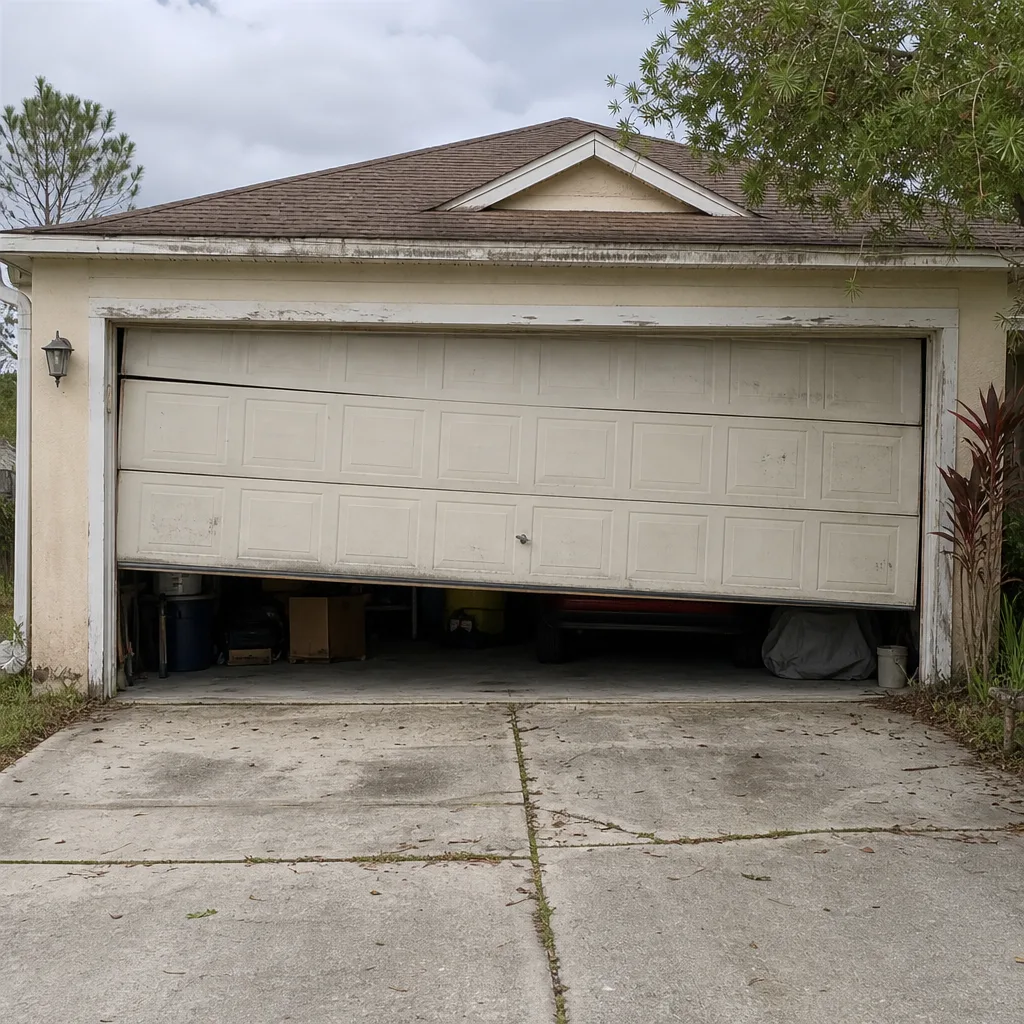 Before
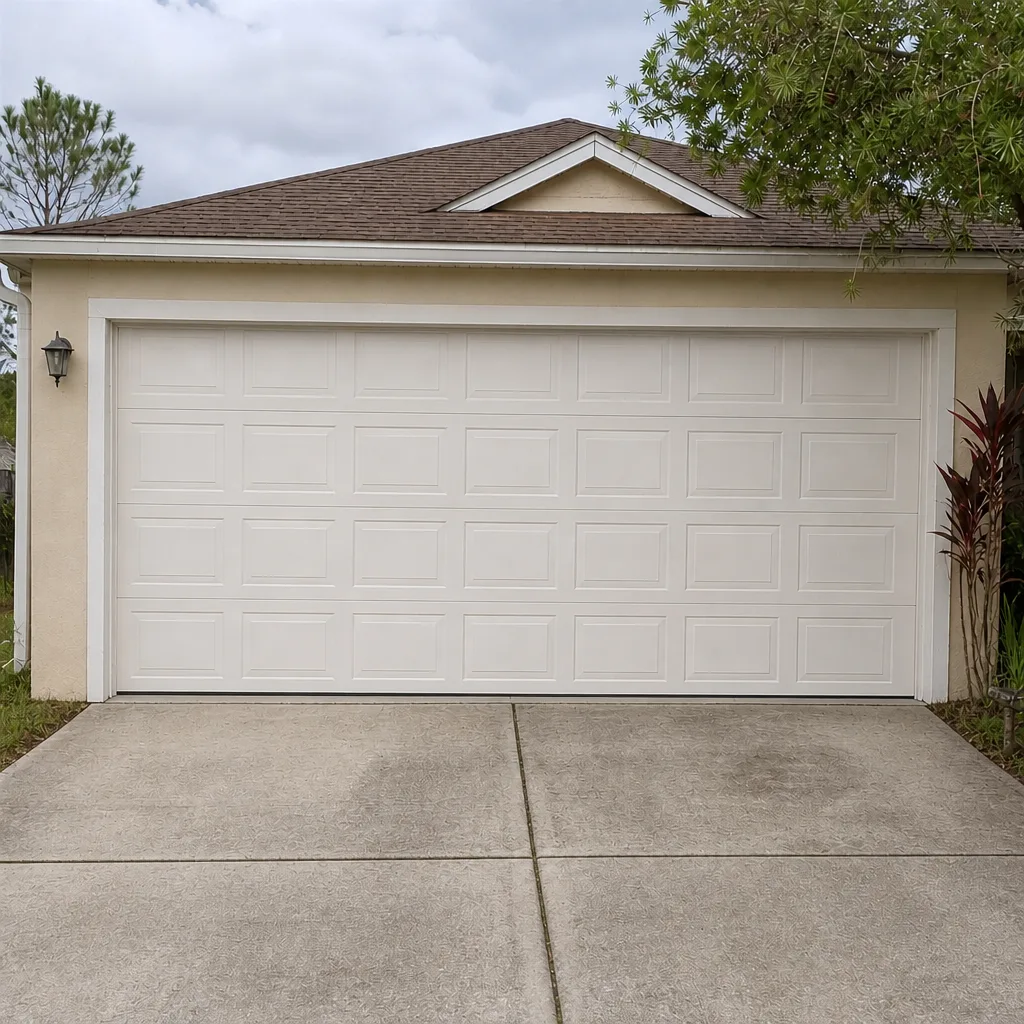 After
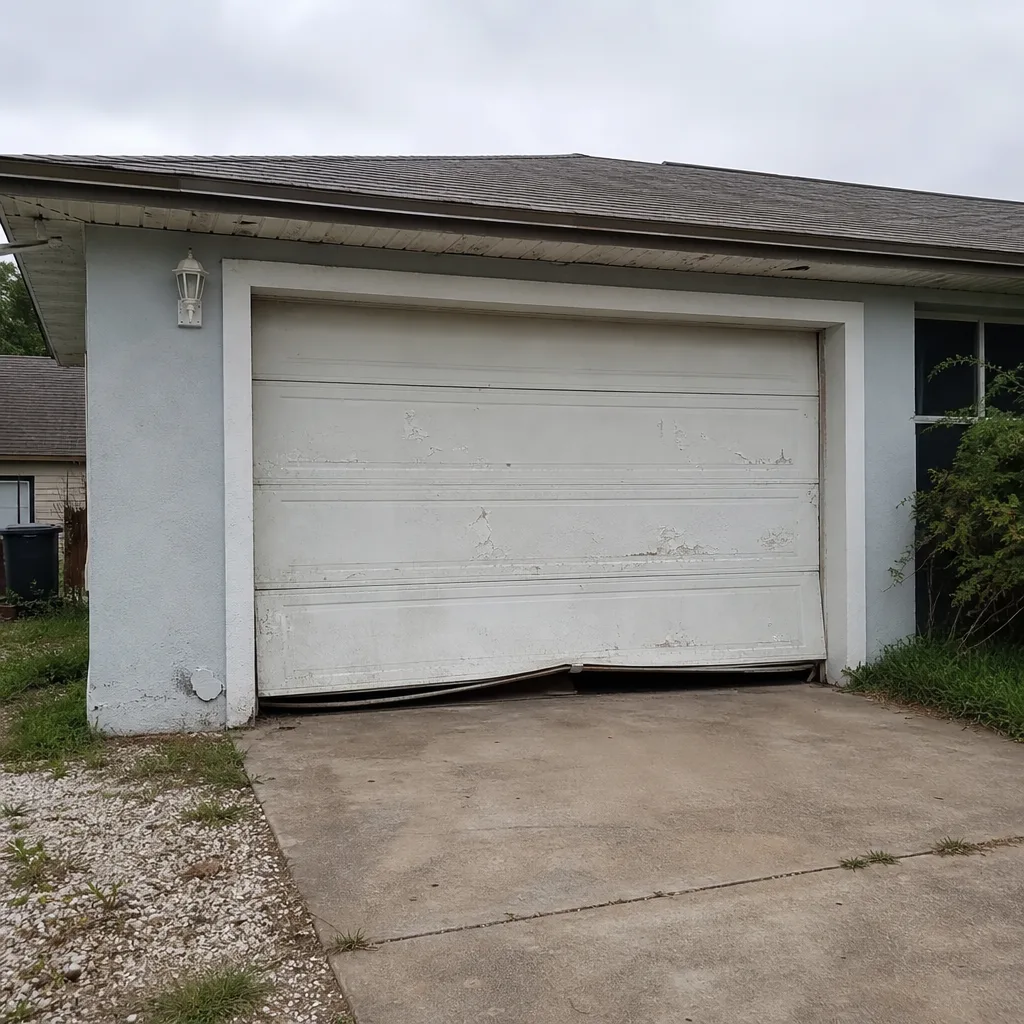 Before
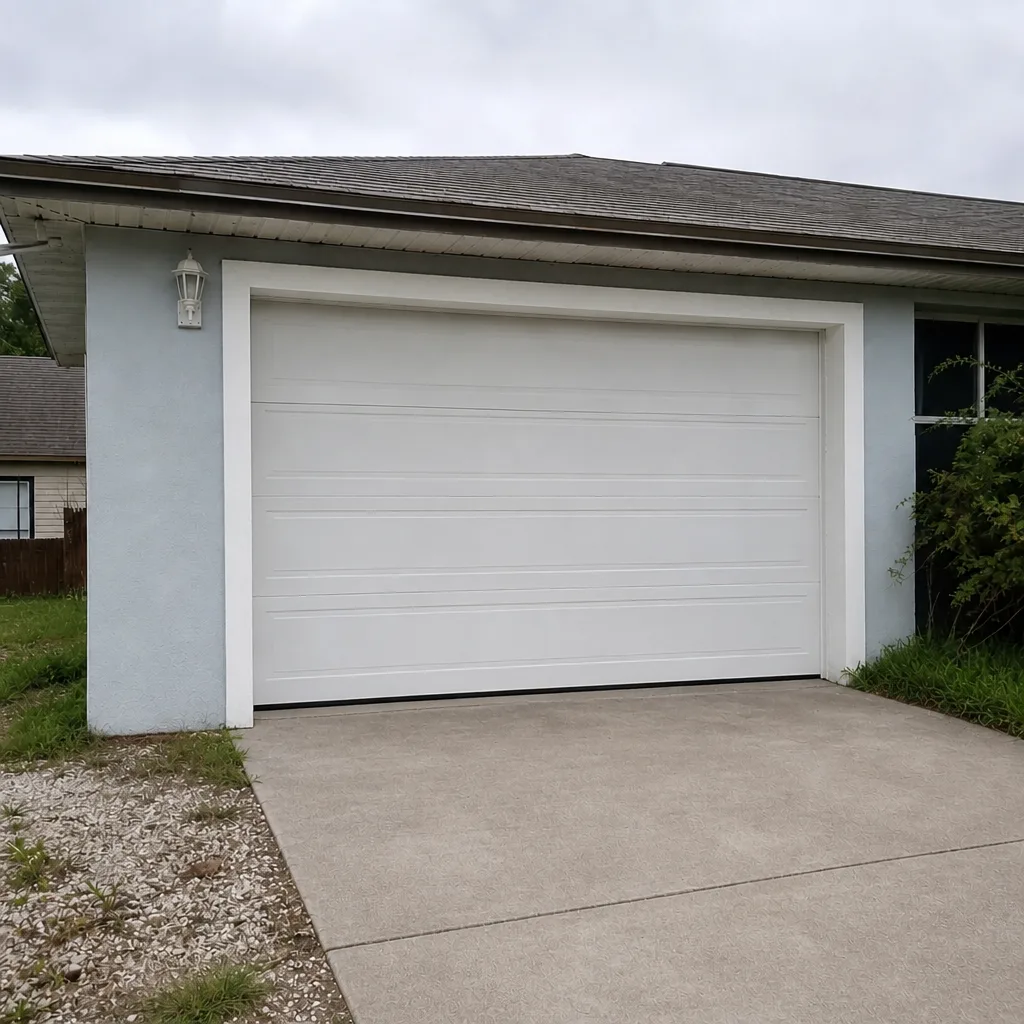 After
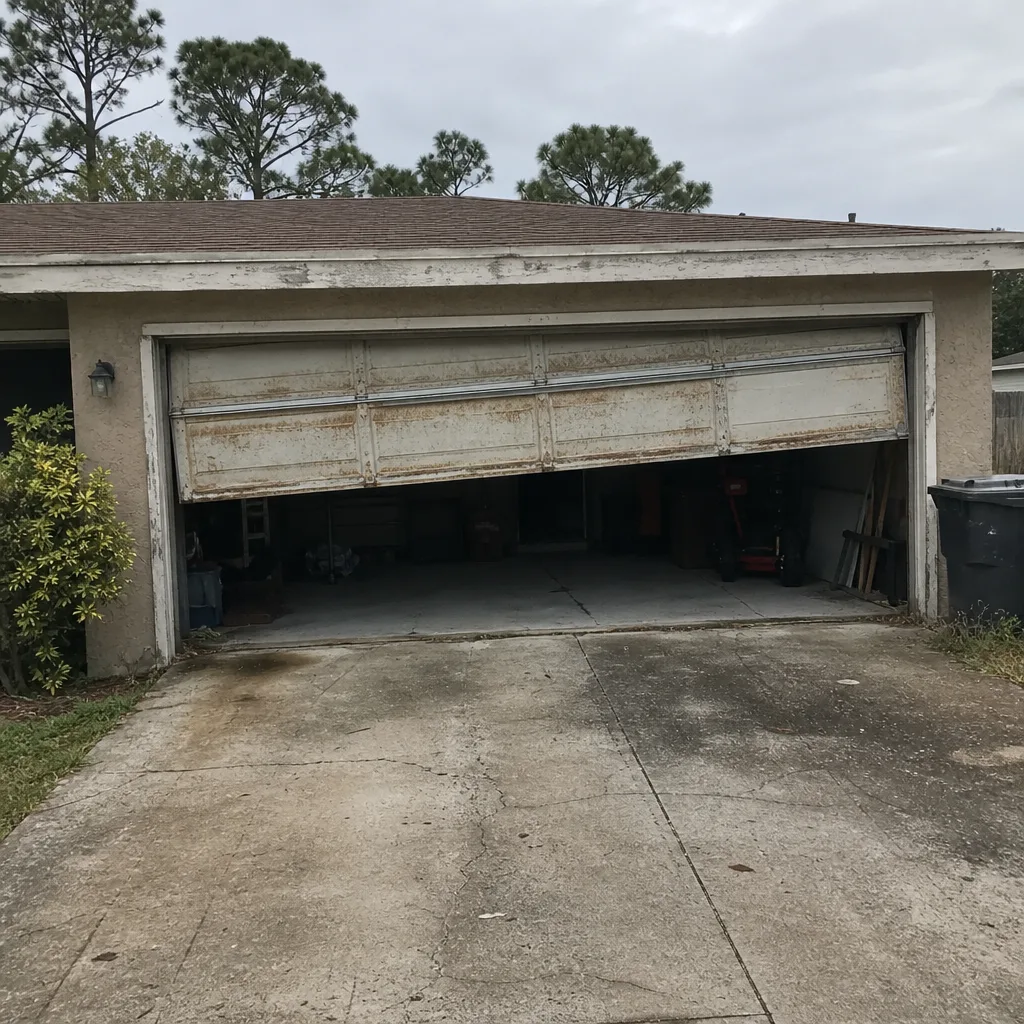 Before
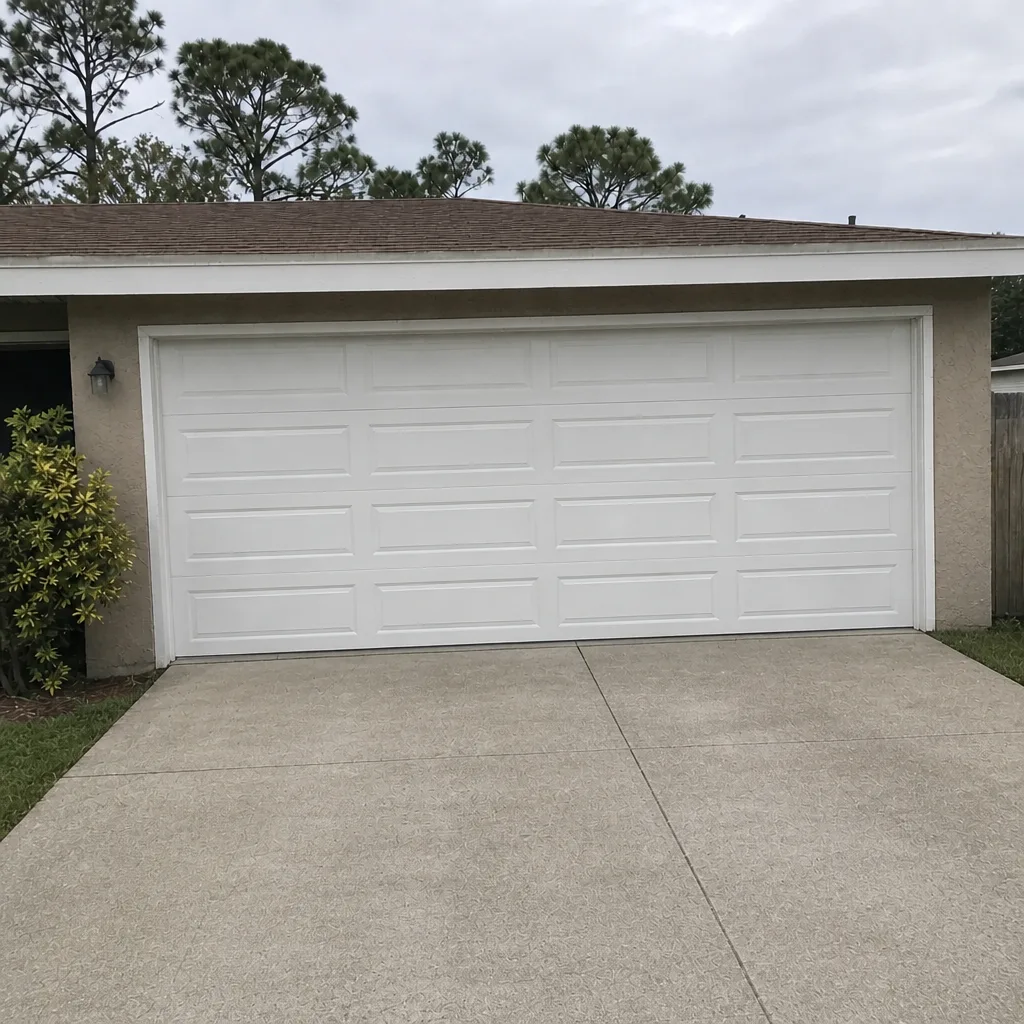 After
When to Call a Professional
Some signs are worth a phone call, and some need one right away. Call a technician today if you see a broken, separated or sagging spring; if a cable is frayed or slack; if the door pops during travel; if the door came off the track; or if the door is stuck partway and won’t respond to the opener or the manual release. Also call if you’ve noticed a slow door or a recurring morning reversal and the walk-around checklist didn’t explain it. Those are the symptoms that get worse with use, not better. Port Saint Lucie Garage Door Repair Pros offers free estimates in Port Saint Lucie. Call (855) 814-2973. We answer 24/7. Fast dispatch from 7am to 7pm, Sunday through Friday. Every price is set per job by the written estimate and agreed before any work starts.
Frequently Asked Questions
Morning-only hesitation followed by normal operation later in the day. It almost always traces back to humidity on the sensor lenses or swollen panel edges rather than a failing opener. Wipe both sensor lenses dry first and run the door. If the problem clears, it was moisture. If it doesn’t, it’s time to look at the panels and track.
Surface rust on a spring is normal in Port Saint Lucie and doesn’t mean the spring is about to fail. What’s not normal is a dark band across the middle of the coil, rust that has worked into the gaps between coils, or an actual gap where a coil has broken. Any gap is a stop-use condition. Call a technician and don’t try to lift the door.
Use the manual release test. Pull the red handle to disconnect the opener, lift the door by hand about halfway. If it’s heavy and slams down when released, the springs have lost tension. If it lifts easily but binds on one side, the track is misaligned. If it moves freely by hand but runs slowly on the opener, the opener’s torque or travel settings are off. Re-engage the release before using the door.
One damaged panel is almost always replaceable on its own if it’s still in production. Two or more panels along with hinge and roller wear usually costs more in labor than a new door. If the door is a discontinued model, sourcing parts can become a wait. Get both prices in writing before deciding. Call (855) 814-2973 for a free estimate in Port Saint Lucie.
The local professional we connect you with is licensed and insured as their state requires. Our technicians have up to 10 years of experience working on all eight major garage door brands. Call (855) 814-2973 for an exact quote. The estimate is free.
No. The price is quoted and agreed before any work starts. The written estimate you receive is the price, and it covers the diagnosis as well as the work. If something turns up mid-repair that wasn’t visible on arrival, we stop and talk it through with you before we do anything further. Call (855) 814-2973 for a free estimate.
The Bottom Line
Garage door warning signs are readable once you know what each one means in our climate. A morning-only reversal is usually moisture. A grinding door points at rollers or track. A popping door points at a spring and needs a technician, not a test run. Surface rust is normal in Port Saint Lucie, but a dark band or a gap in the coil is a stop-use signal. A slow door has three possible causes, and the manual release test tells you which one you have in about five minutes. A repair becomes a replacement when two or more panels fail, or when the door has already been repaired twice and lost balance again. Bring the brand and model to a call and the diagnosis starts before the visit.
If something on this list applies to your door, call Port Saint Lucie Garage Door Repair Pros at (855) 814-2973 for a free estimate. We answer 24/7. Fast dispatch from 7am to 7pm, Sunday through Friday. We work on your brand, from opener to panels, one call covers it all.
Written by the team at Port Saint Lucie Garage Door Repair Pros.