
Last updated November 22, 2026
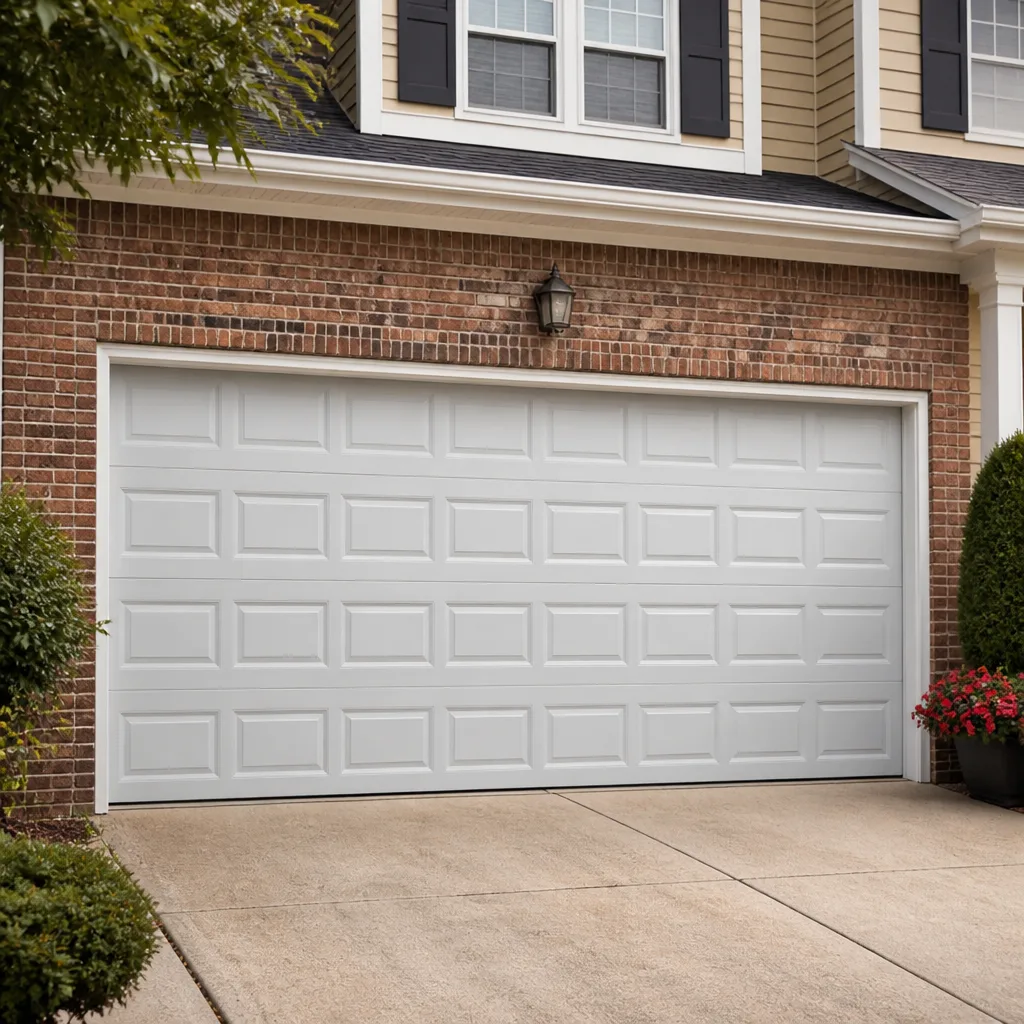 Raised-panel steel
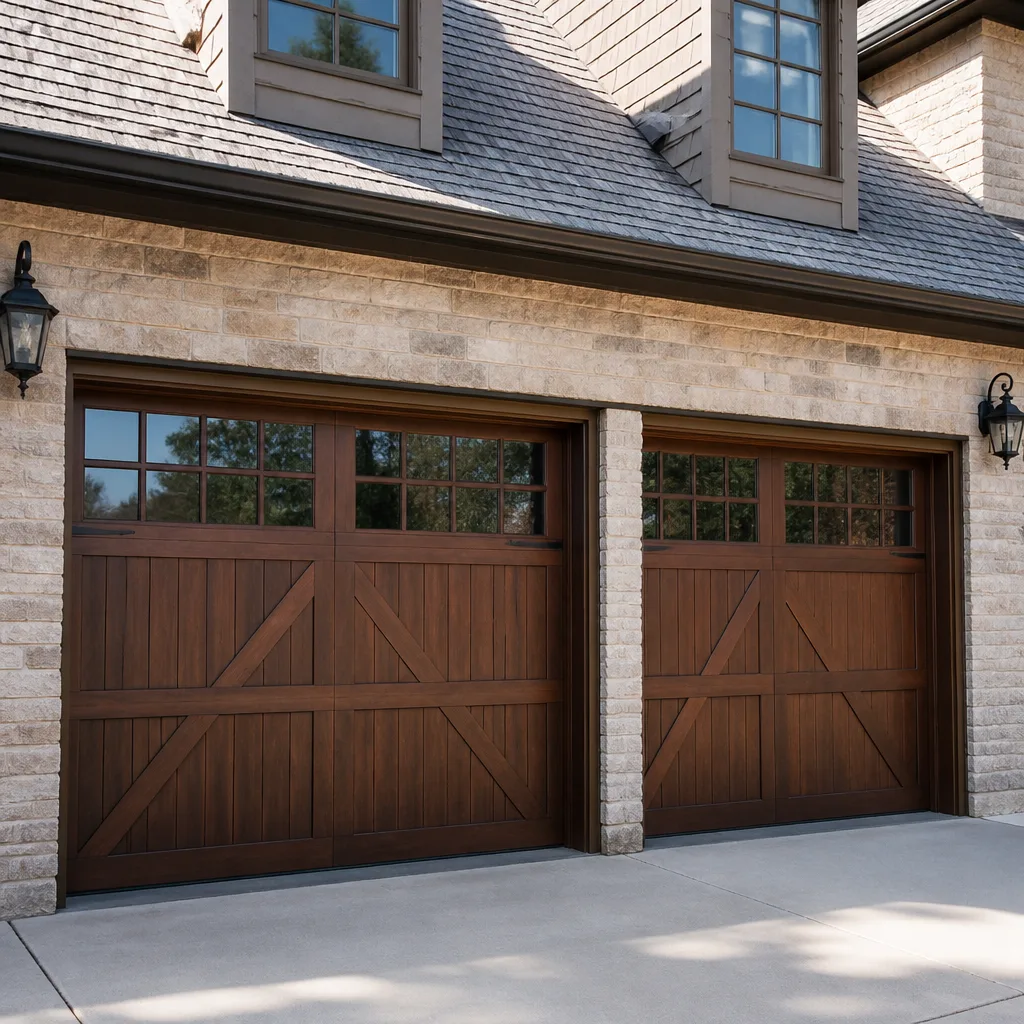 Carriage house
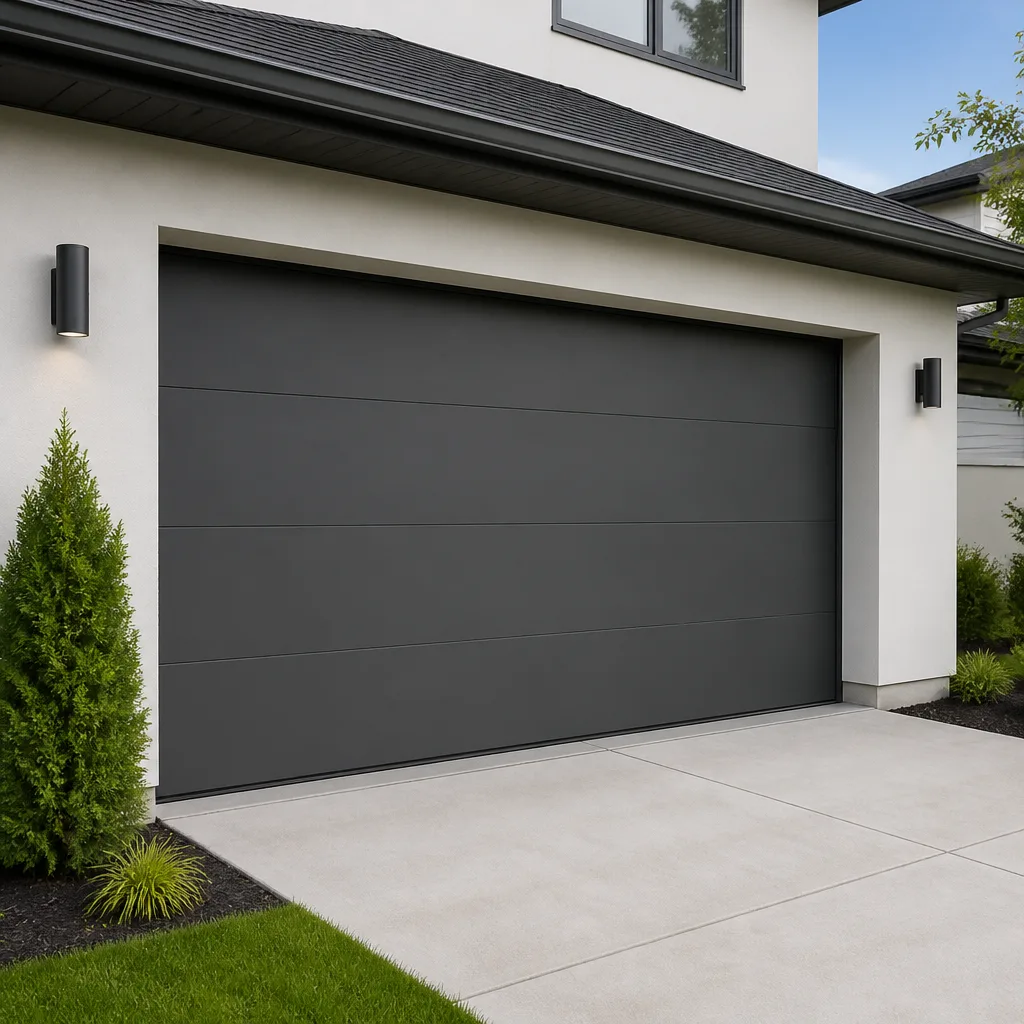 Modern flush
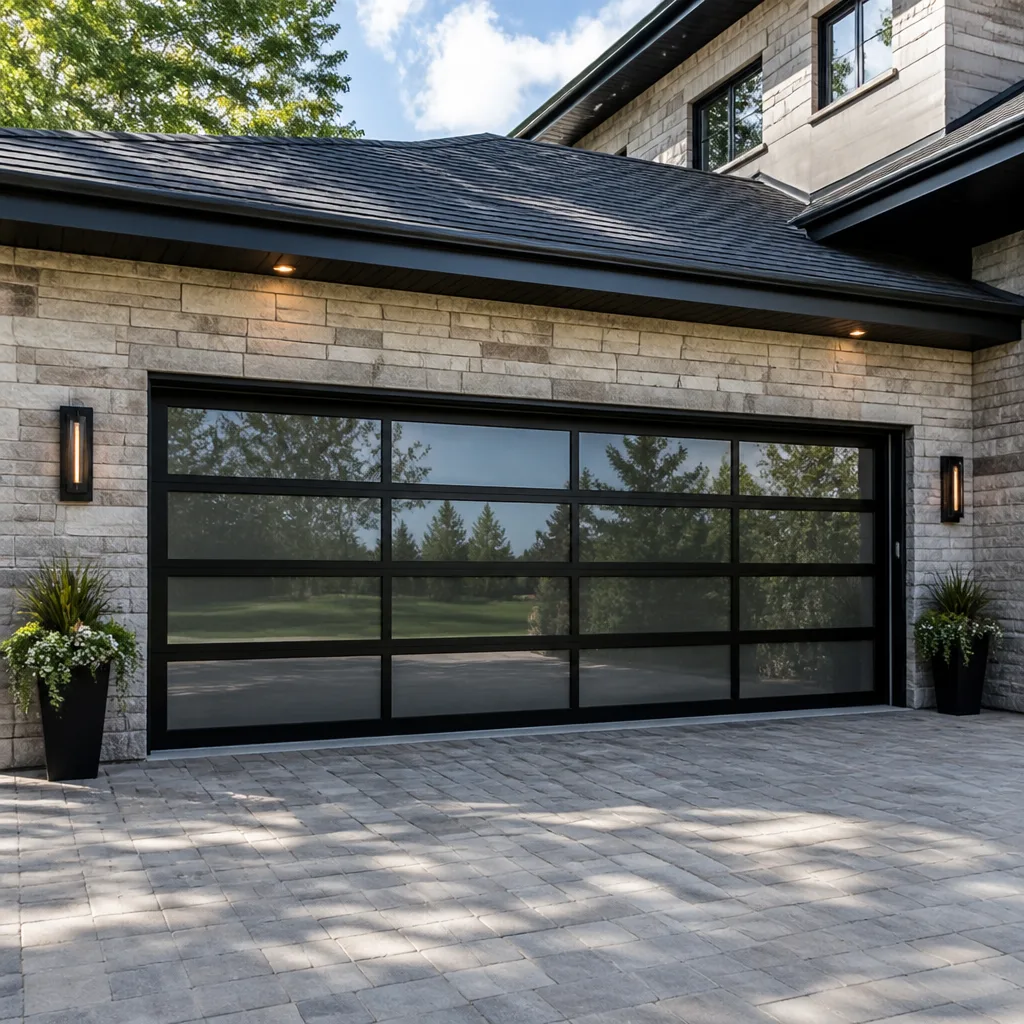 Full-view glass
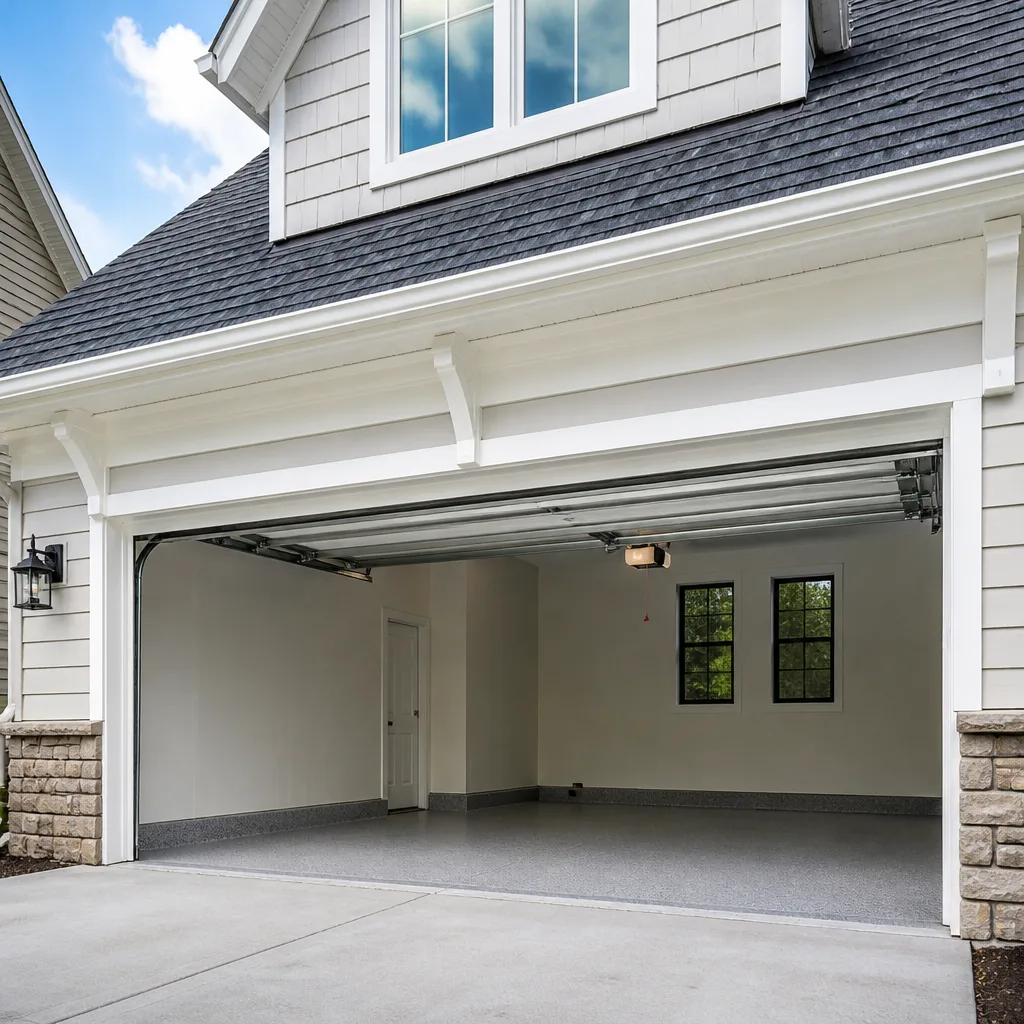 LiftMaster openers
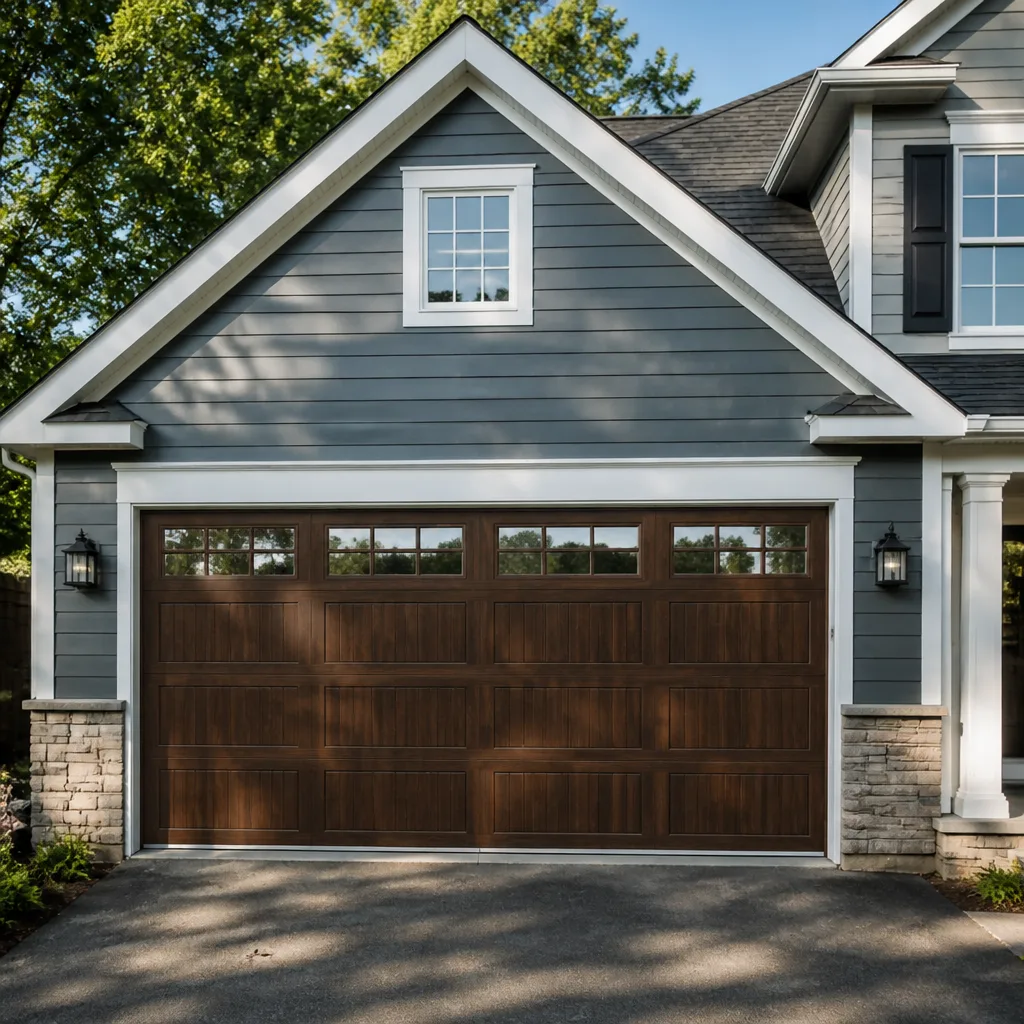 Chamberlain openers
Full 25-point door and opener safety check with every visit - springs, cables, rollers, tracks, and your LiftMaster or Chamberlain opener included
You get a price before we start. It does not change when the pro arrives.
Get your free estimateSeasonal Garage Door Care for Port Saint Lucie: Year-Round Homeowner’s Guide
Most garage door maintenance advice you’ll find online was written for Ohio or Illinois. It tells you to winterize, to clear snow from the bottom seal, to watch for road salt eating the steel. None of that applies here. Port Saint Lucie doesn’t run on a four-season calendar. It runs on two dates that matter more than any others: June 1st and November 1st. One is the day hurricane season opens. The other is the day it closes and the aftermath begins. Everything else in a Florida garage door’s year gets scheduled around those two markers. This guide lays out exactly what your door, opener, springs, and seals need during each stretch of the Port Saint Lucie year, and why skipping the routine costs you far more than the routine does.
Quick Answer
In Port Saint Lucie, garage door care follows a two-season calendar, not four: hurricane season (roughly June through November) and the dry season (December through April). The June protocol is all about storm prep, bracing kits, bottom seal replacement, and testing the battery backup in your opener. The November inspection is storm recovery, checking for water intrusion and corrosion. The dry season is when heat and UV quietly degrade your weatherstripping and finish. Skip either window and you’ll usually pay for it in a component failure within a year or two.
Styles & brands we work with
- Raised-panel steel
- Carriage house
- Modern flush
- Full-view glass
- LiftMaster openers
- Chamberlain openers
Table of Contents
- Why Port Saint Lucie’s Garage Door Calendar Has Two Dates, Not Four
- The June 1st Pre-Season Protocol
- The November Post-Season Inspection
- Dry Season Care: UV, Heat, and Oxidation
- What Summer Humidity Does to Your Opener
- What Skipping Seasonal Care Actually Costs You
- A Simple Monthly Walk-Around
Why Port Saint Lucie’s Garage Door Calendar Has Two Dates, Not Four
A garage door is a machine that lives outdoors. It’s the largest moving part on a house, and in most Port Saint Lucie homes it faces a driveway with no shade for part of the day. That means the door, the springs, the tracks, and the opener all live in the same weather the roof does. What changes season to season here isn’t ice and snow. It’s the daily load the hardware carries.
For roughly half the year, Port Saint Lucie sits under a pressure pattern that produces heat, afternoon thunderstorms, and long stretches of very high relative humidity. The other half brings dry air, bright skies, and weeks without a drop of rain. Your door doesn’t know the difference between “a hard season” and “a rough quarter.” It just accumulates wear in two distinct ways.
The wet season attacks: it works on seals, gaskets, bearings, and fasteners, and it drives moisture into places you can’t easily see. The dry season attacks: it works on rubber, paint, and anything flexible, baking the pliability out of your weatherstripping and dulling the finish on steel panels.
If you treat those as one undifferentiated “year,” you’ll miss the point where each type of damage begins. Split them in two and each maintenance visit becomes a targeted check rather than a vague once-over. That’s the thinking behind the June-and-November rhythm we recommend to homeowners across Port Saint Lucie neighborhoods like Torino and Tradition, and it holds whether your door is a builder-grade steel panel or a heavier carriage style.
If you’re starting from a door that’s been a few years without attention, the best first step is a full garage door repair assessment before you layer a seasonal routine on top of problems. Fix the baseline, then maintain it.
The June 1st Pre-Season Protocol
The first of June is the start of hurricane season. This is the busiest window of your garage door’s year, and it’s the one that rewards a little preparation. Your objective in this window is to make sure the door closes hard and holds through wind, and that you can still open it if the power goes out. Here’s the order to work through.
- Check your bracing. Many garage doors in Port Saint Lucie can be reinforced for storm conditions with a bracing kit that stiffens the panels and the connection to the wall. Not every door needs the same kit, so match it to your door type and ask about the wind rating of your specific model.
- Inspect the bottom seal. The bottom seal is the rubber strip that runs along the floor. It’s your door’s first defense against wind-driven rain. Look for cracks, a flattened profile, or gaps where it meets the floor. A failing seal lets water under the door and into the garage during a storm.
- Test the opener’s battery backup. If your opener has a battery backup, test it now, not during a power outage. LiftMaster and Chamberlain units commonly have a battery option, and a dead backup will fail you exactly when you need it. Press the wall button during a simulated outage or use the opener’s recommended test method.
- Run the safety reverse test. Put an object in the door’s path and confirm the door reverses on contact. This is the check you should never skip before storm season.
- Tighten and lubricate. Check hinge and roller fasteners, and lubricate the moving metal parts so the door isn’t fighting friction in the worst heat.
If your weatherstripping is original and this is the first door you’ve checked in a while, replace it before June rather than after. A loose or split trim near the door jamb lets water and wind-driven rain into the opening. It’s a small part that protects a large one.
If the opener itself is failing during this prep, don’t push it into storm season. Our garage door opener repair page covers the common failure points, and it’s a good place to start if the door is running rough or the remote is intermittent.
The November Post-Season Inspection
November is the far quieter month of the year. The storm threat relaxes, the air dries out, and you have a window to look at what the season did. The point of this inspection isn’t to be paranoid. It’s to catch the small problems a wet season leaves behind before they become structural.
Here’s what to look at, in order:
- Water intrusion. Walk the inside of your garage and look at the door line and the wall on either side. Water stains, tide marks, or a swollen bottom edge of the door panel tell you the seal or the trim failed somewhere.
- Corrosion on the hardware. Wet, humid months plus the normal salt spray from storms and the surrounding environment accelerate oxidation on hinges, rollers, track sections, and fasteners. Look for rust bloom or pitting. A little surface rust on a roller is a warning that the part is due for replacement.
- Spring condition. Your springs live in the middle of all of this. After a wet season, look at the coils for visible wear or paint flaking. A spring that’s stretched or showing fatigue in November will usually fail in the first hard cold snap or the first long hot week of the next dry season.
- Track alignment. Storm movement and temperature swings can shift tracks a fraction. Listen for scraping or uneven travel. A door that sounds different in November than it did in May is telling you something moved.
- The opener’s behavior. Test the safety reverse again, and note whether the door travels evenly or hesitates. If the opener’s internal logic board has been sweating through the summer, this is when you’ll first notice a symptom.
For most Port Saint Lucie homeowners, the November inspection is fifteen minutes of looking and listening. If it turns up a failing spring or a bent track, that’s a repair, not a disaster. The key is not waiting until the door physically won’t open to deal with it.
Dry Season Care: UV, Heat, and Oxidation
From December into April, Port Saint Lucie’s air is drier and the sun is still hard on anything facing it. This is when the quiet damage happens. Two things deserve your attention in this window: the weatherstripping and the paint on the panels.
Weatherstripping is rubber or vinyl. In UV and heat, the plasticizers that keep it flexible migrate out, and it goes from pliable to stiff over a season or two. Once it’s stiff, it doesn’t seal, and it cracks at the first flex. Run your hand along the top and sides of the door. If the strip feels hard, or you see cracking or a chalky residue, it’s failing. Replacing it in the dry season is far less painful than finding out it stopped sealing during the next storm.
The paint on a steel door, particularly on panel faces that face the sun, oxidizes. The finish dulls and forms a chalky haze. Oxidation isn’t just cosmetic: it’s the start of the road toward rust if the finish is breached. On a Clopay or Amarr steel door, a quick wash and a close visual inspection tell you whether the protective layer is holding.
Under the hood, the dry season is also the time to think about the moving hardware. Lubricate the springs, hinges, and rollers once in the dry season, and once ahead of storm season. Lubricant keeps heat-related squealing down and slows the wear that turns into a broken part.
If you’re thinking about a door that’s reached the end of its service life, the dry season is the calmer window for planning a replacement. Explore garage door installation before storm season gets close, so the new door is measured, ordered, and fitted without a rush.
What Summer Humidity Does to Your Opener
The opener is the brain of your door, and in Port Saint Lucie, it lives in one of the most humid rooms in the house. A garage is often unconditioned, especially in the older sections of Port Saint Lucie, and it swings through the summer humidity cycle more than the rest of the home. That has real consequences for electronics.
The most delicate part is the logic board. Higher humidity means more condensation on the circuit board, and repeated condensation cycles can lead to corrosion or intermittent faults. A Genie or Chamberlain unit mounted in a garage that never dries out is more likely to misbehave over time. You can’t seal an opener, but you can shape the environment:
- Ventilate the garage. Open the door and let fresh air through on dry days. Cross-ventilation dries the interior faster than anything else.
- Place a dehumidifier thoughtfully. If you run one, put it where the air circulates around the opener, not tucked in a corner behind a shelf where it can’t reach the unit.
- Keep the opener clear. Don’t box it in with stored items. Give it airflow.
- Check for condensation. If you see moisture beading on the opener housing, the cycle is happening. A small fan moving the air can help.
If your opener starts acting intermittent, hesitating on travel, or losing remote range during the summer, a failed logic board is a real possibility. That’s an opener repair, not a mystery. Don’t keep pressing the button and waiting for it to fail completely.
What Skipping Seasonal Care Actually Costs You
The honest answer to “what does skipping maintenance cost” is that you usually don’t see the bill up front. You see it in timelines. Here’s how the pieces actually age when nobody’s looking.
- Bottom seal: left alone, a failing seal lets water into the garage during each wet season, and the wood and steel around the opening pay the price. It’s a cheap part to replace on schedule and an expensive problem to fix later.
- Weatherstripping: the exposed strip on a sun-facing door can go from serviceable to cracked in a season or two in full sun. Once it cracks, it stops sealing, and you’re back to water inside during storms.
- Rollers and hinges: without lubrication, these wear faster and start to cause uneven travel, which then stresses the track and the opener. The hardware is the cheapest part of the system, so neglect here is a false economy.
- Torsion and extension springs: springs are rated in cycles, not years, and every day of use counts against them. A tired spring that isn’t identified in the November inspection tends to fail at the worst possible moment, which is exactly why spring work is safety-critical.
- Opener logic board: repeated humid seasons shorten the life of the electronics. A unit that could have run for years can start failing early when the garage never dries out.
The pattern is always the same: the small, cheap components protect the large, expensive ones. Seasonal care is mostly about keeping the cheap parts doing their job.
A Simple Monthly Walk-Around
Between the two hard calendar dates, a quick monthly check keeps you ahead of surprises. Ten minutes is enough. Here’s a simple sequence you can run any month of the year:
- Listen. Open and close the door once, listening for squeaks, grinding, or scraping. New sounds are warnings.
- Look at the balance. Disconnect the opener (with the door in the down position) and lift the door halfway by hand. It should feel steady, not heavy at the bottom or light at the top. If it feels wrong, don’t force it.
- Check the seals. Run a hand along the bottom seal and weatherstripping. They should feel soft, not stiff or cracked.
- Test the safety reverse. Confirm the door reverses when it meets an object in its path.
- Look at the hardware. Check for loose bolts, worn rollers, and rust bloom on the hinges and track.
- Note the time and date. Write down what you find. A door that’s been slowly changing shows up immediately in your own notes.
This walk-around is intentionally low-tech. Most of what matters on a garage door can be spotted by listening and looking, and the habit keeps small problems from becoming phone calls at the wrong time. If a check turns up something you don’t want to poke at, particularly spring or opener work, stop there and call in a pro.
Common Mistakes to Avoid
- Applying a northern maintenance calendar. Buying into freeze-thaw advice that has nothing to do with Port Saint Lucie leaves the parts that actually fail here, like seals and weatherstripping, completely unmaintained.
- Treating the door’s bottom seal as a permanent part. It’s a wear item. In a wet season, a worn seal is the path water takes into your garage. Replace it before June, not after.
- Testing the opener’s battery backup only during an outage. By then it’s too late. Test it in the spring, on a calm day, when you can actually replace it if needed.
- Confusing “still opens” with “still safe.” A door can open and close every day while a tired spring and sloppy track are quietly storing up trouble. The safety reverse test is the one check you never skip.
- Letting a garage hold humidity. An unconditioned garage in Port Saint Lucie will sweat through the summer. No airflow accelerates everything from logic board corrosion to rust on the hardware.
- Ignoring the door’s finish in the dry season. Oxidation on steel panels doesn’t stay cosmetic. A chalky, degraded finish is the first stage of rust, and it’s a lot cheaper to address early.
- Attempting spring work yourself. Torsion and extension springs store huge amounts of energy, and a mistake can cause serious injury. This is not a homeowner task, no matter how straightforward the video makes it look.
See the difference
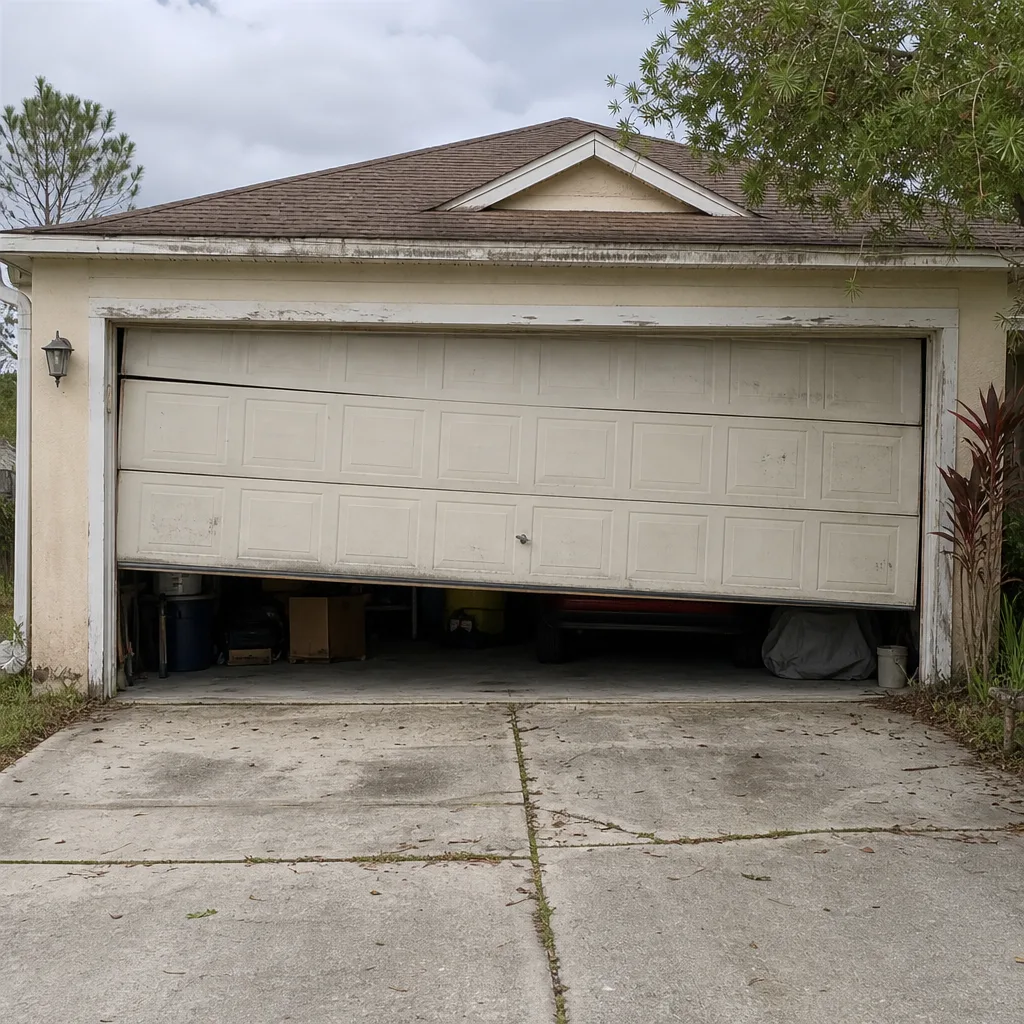 Before
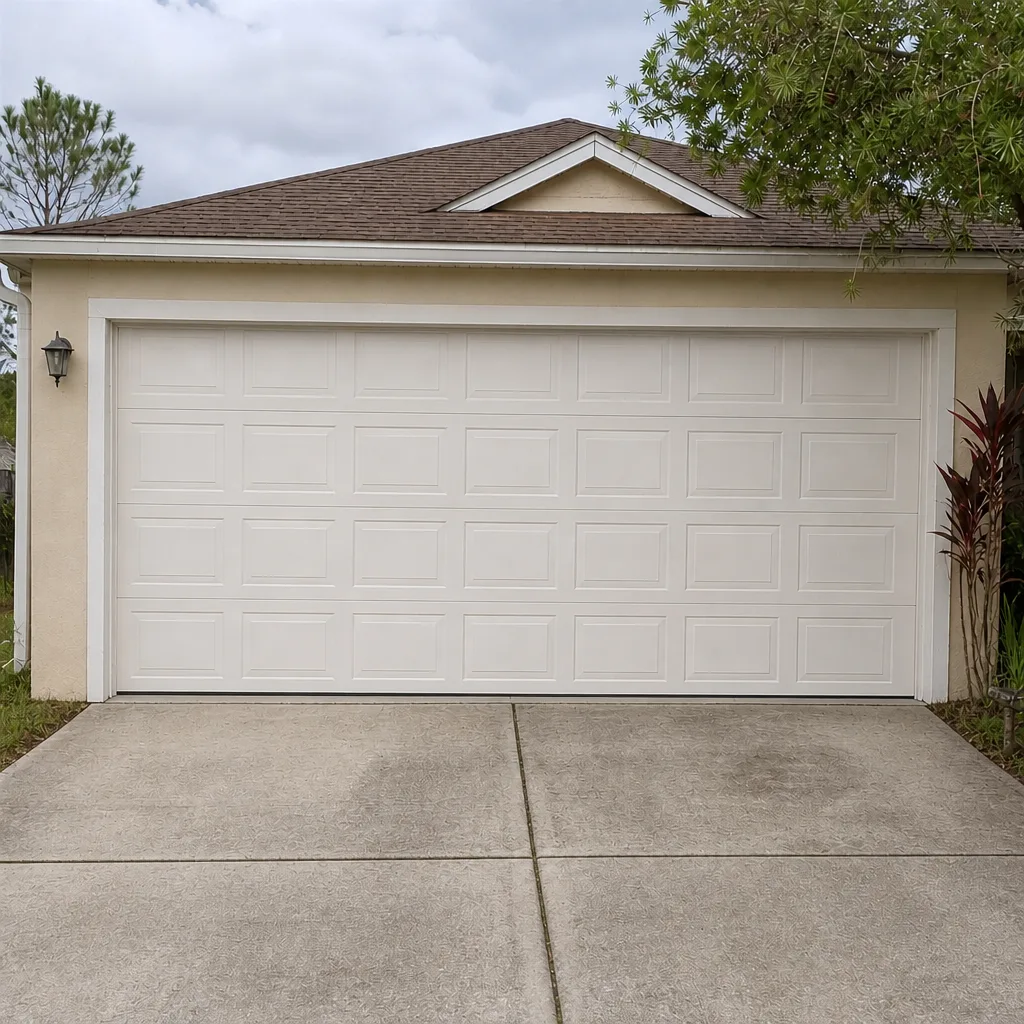 After
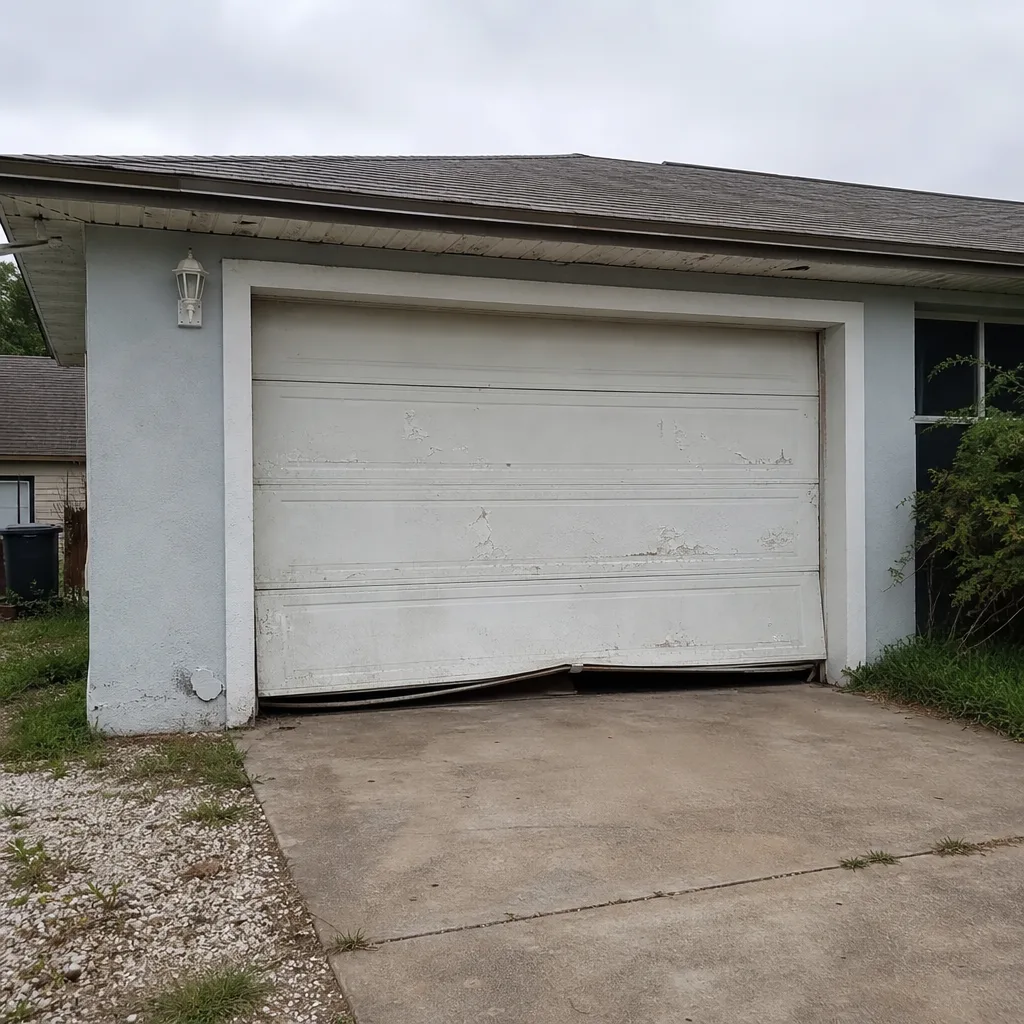 Before
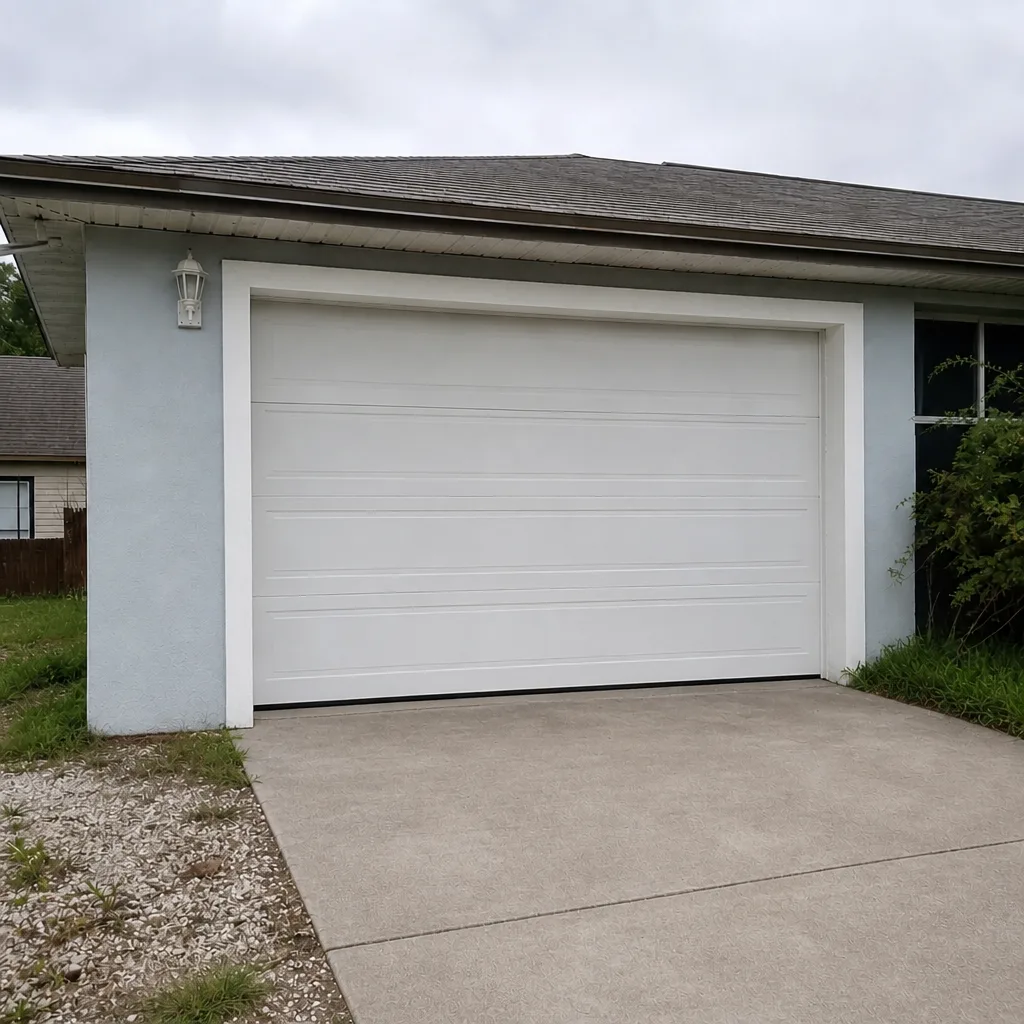 After
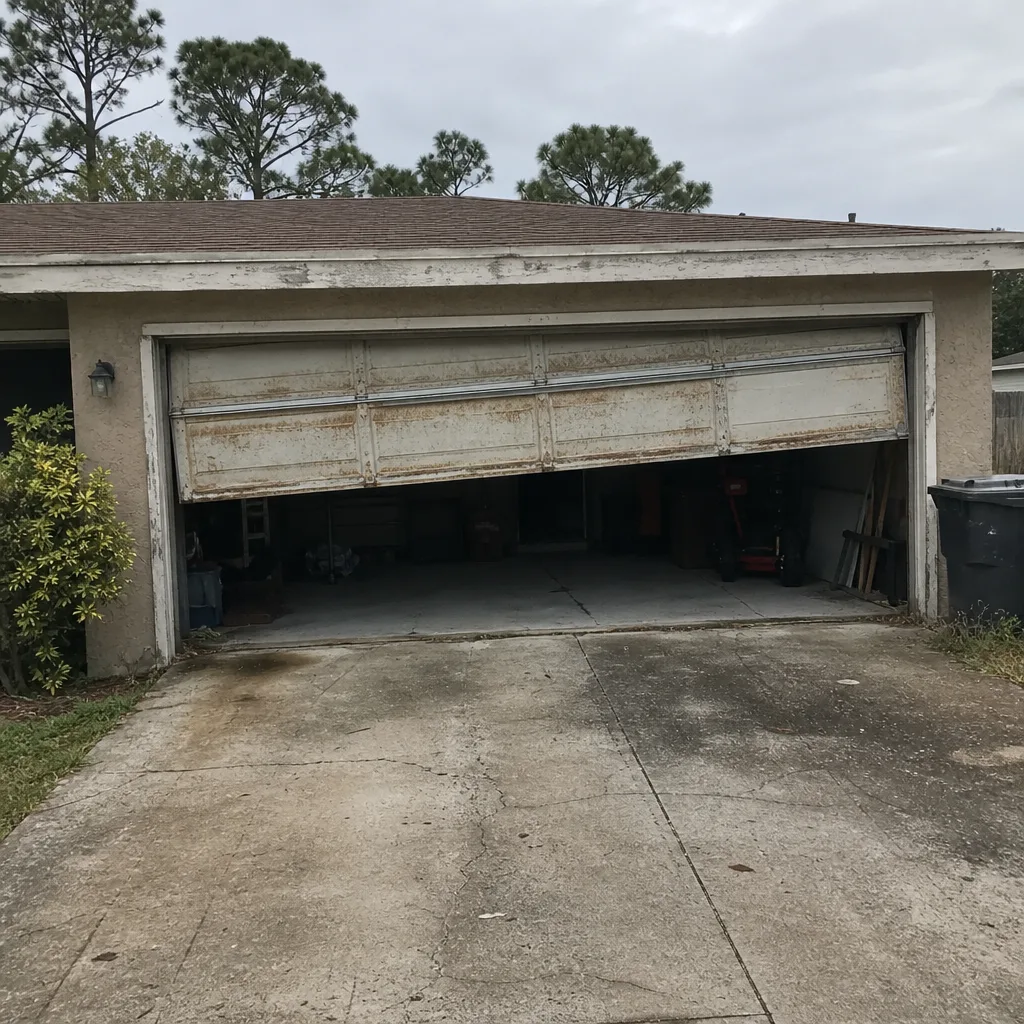 Before
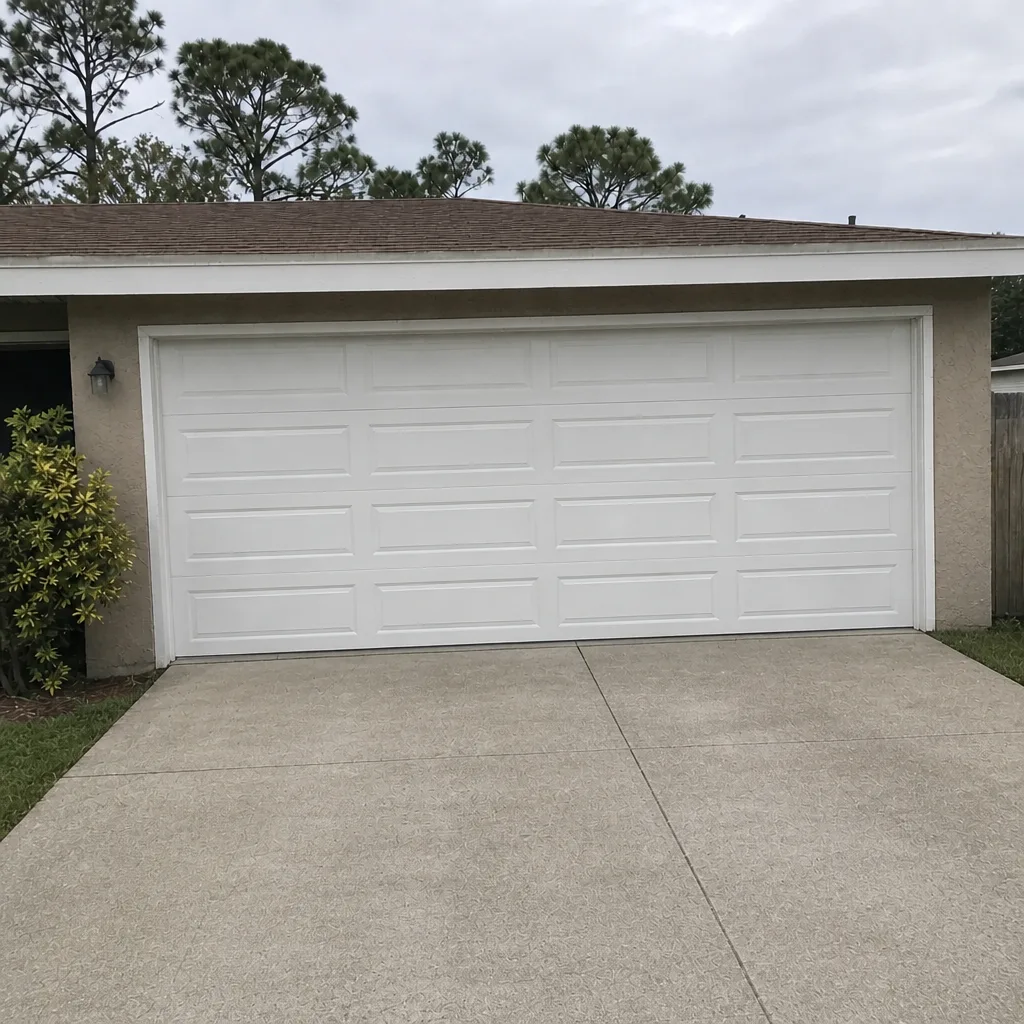 After
When to Call a Professional
Some of what’s in this guide you can handle yourself: the monthly walk-around, checking seals, keeping the garage dry. Some of it you shouldn’t touch. Call a professional if you see a broken or stretched spring, a sagging door, a door that won’t stay level, a cable that’s loose or damaged, or an opener that’s intermittent or won’t reverse. Call sooner rather than later if the door binds, scrapes, or moves unevenly, since those symptoms tend to get worse and wear other parts as they go. If a storm has left you with water intrusion or obvious corrosion, get it looked at before the next season.
Port Saint Lucie Garage Door Repair Pros offers free estimates in Port Saint Lucie. We work on eight major brands, including LiftMaster, Chamberlain, Genie, Clopay, Amarr, Wayne Dalton, Craftsman, and Raynor. Call (855) 814-2973.
Frequently Asked Questions
Schedule two visits a year: one before June 1st and one after November. The first prepares the door for hurricane season; the second inspects what the season left behind. If you can only manage one, make it the pre-season visit, since a door that seals and holds through a storm is the higher priority.
Not every door needs the same bracing, and it depends on the door’s type, age, and construction. The right move is to have the door assessed before storm season and match the bracing kit to your specific door. Bracing is not a generic add-on; it’s fitted to the door it protects.
Test it in the spring, not during an outage. If your opener has a backup battery, follow the manufacturer’s test method to confirm the battery still holds a charge. A dead backup you didn’t test is the same as no backup. Call (855) 814-2973 for an exact quote on replacement, and estimates are free.
Yes. Repeated condensation on the logic board is a known cause of intermittent faults and corrosion. The fix is environmental: ventilate the garage, keep the opener housing clear, and use a dehumidifier where it can circulate air around the unit. If the opener is already acting up, get it checked before it fails completely.
Pre-season, in late May, is about making the door ready for storms: seals, bracing, battery backup, safety reverse. Post-season, in November, is about checking for water intrusion, corrosion, and wear the storms caused. One is preparation, the other is recovery.
No. The written estimate sets the final price, and we quote and agree on it before any work starts. If we find something else while we’re working, we’ll tell you before we touch it. Call (855) 814-2973 for an exact quote, and estimates are free.
The Bottom Line
Port Saint Lucie’s garage doors live on a two-date calendar: June 1st for storm prep, November 1st for storm recovery. Between those dates, keep the garage dry, check your seals, and do the monthly walk-around. None of it is complicated, but the parts that fail quietly are the ones that cost the most: a cheap bottom seal that lets water in, weatherstripping that stiffens in the sun, a logic board that corrodes in summer humidity. The routine is mostly about keeping the inexpensive parts doing their job so the expensive ones stay whole. Spring work, cable work, and opener faults are jobs for a specialist. We’re here when you need one.
Contact Us
Whether you’re doing your June prep or catching up after a storm, we’re ready to help. Call Port Saint Lucie Garage Door Repair Pros at (855) 814-2973 for a free estimate. We answer 24/7. Fast dispatch from 7am to 7pm, Sunday through Friday.
Garage doors are all we do: repair, opener repair, spring repair, parts, and full installation. Reach out and we’ll get your door back on its best schedule.
Written by the team at Port Saint Lucie Garage Door Repair Pros.