
Last updated November 22, 2026
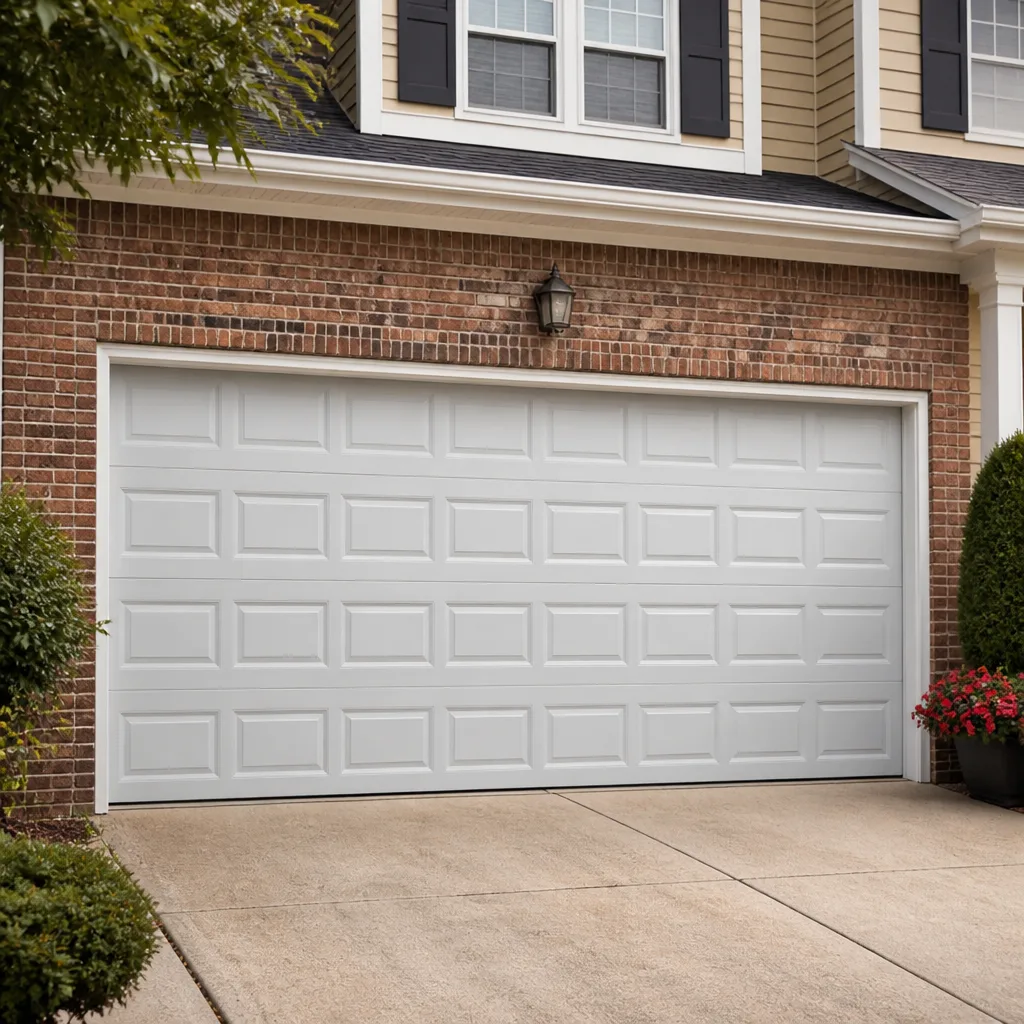 Raised-panel steel
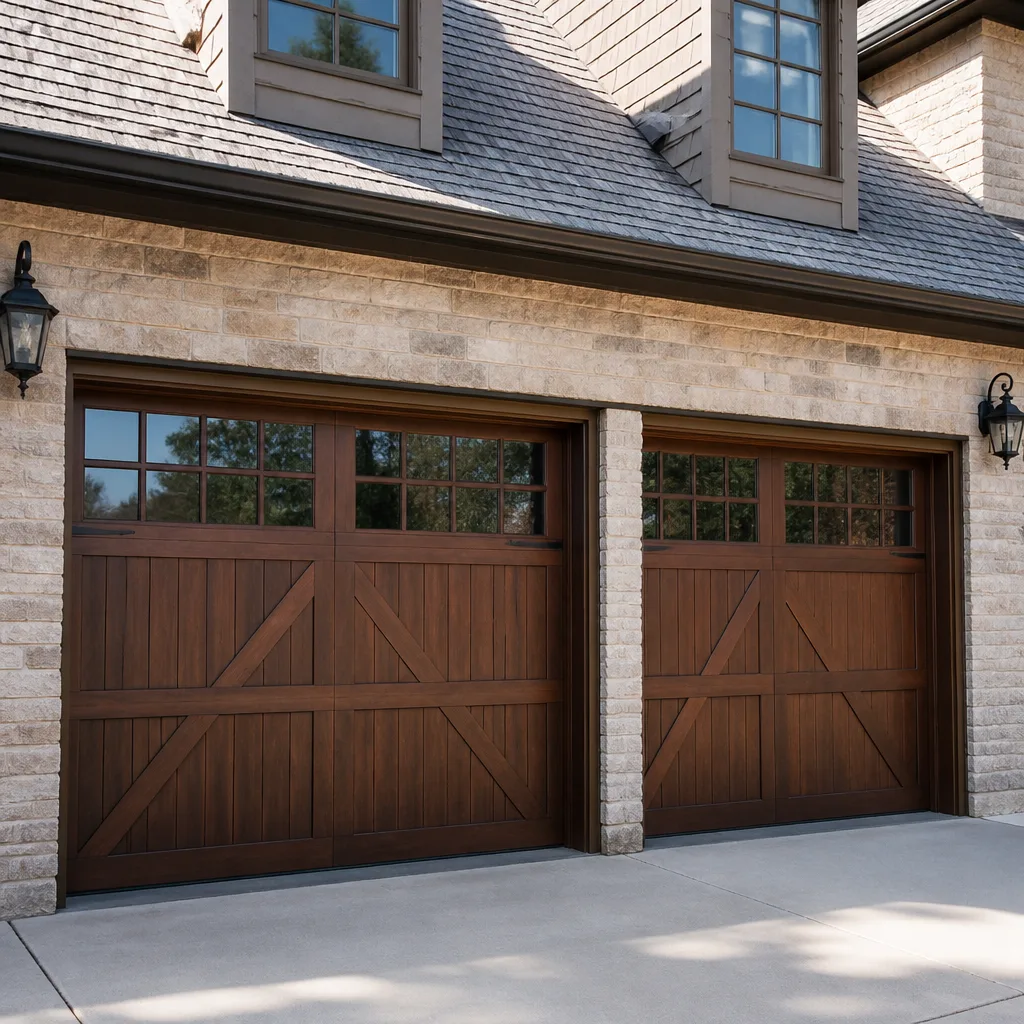 Carriage house
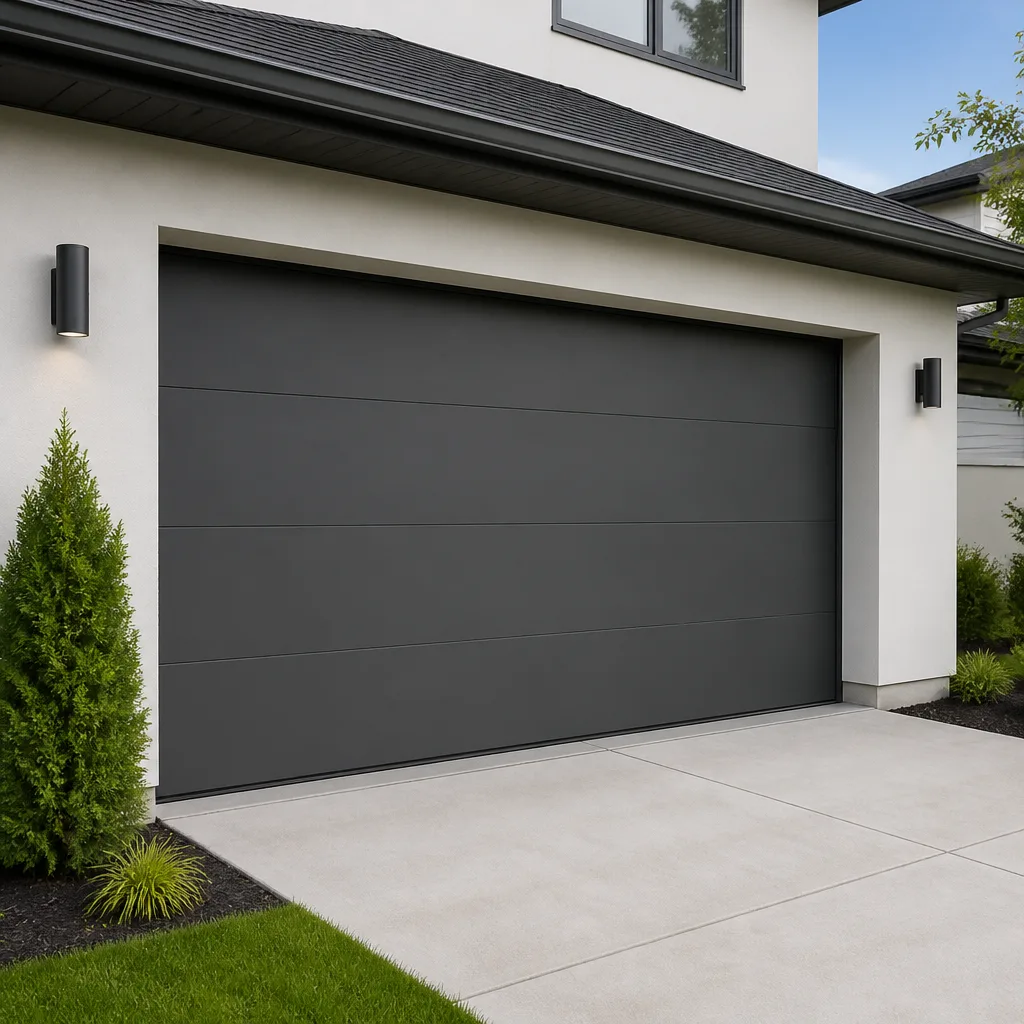 Modern flush
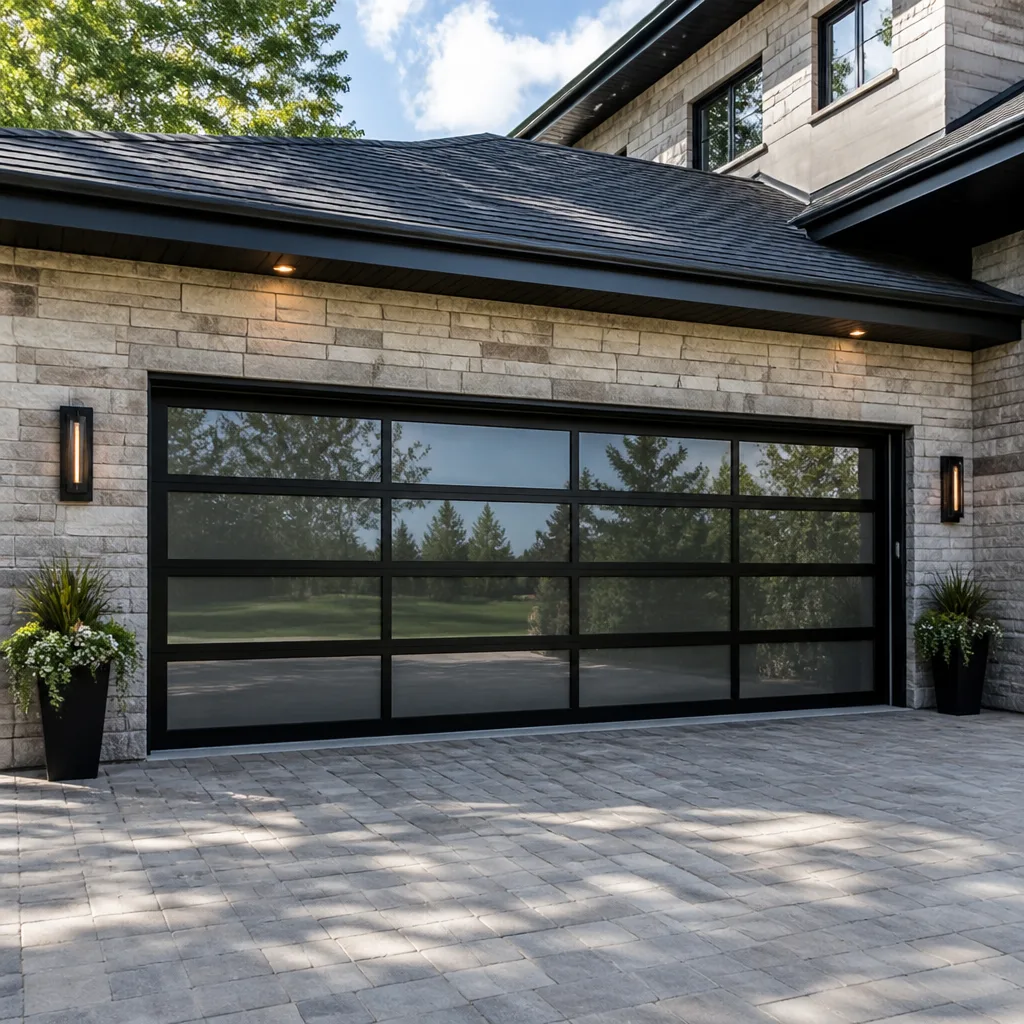 Full-view glass
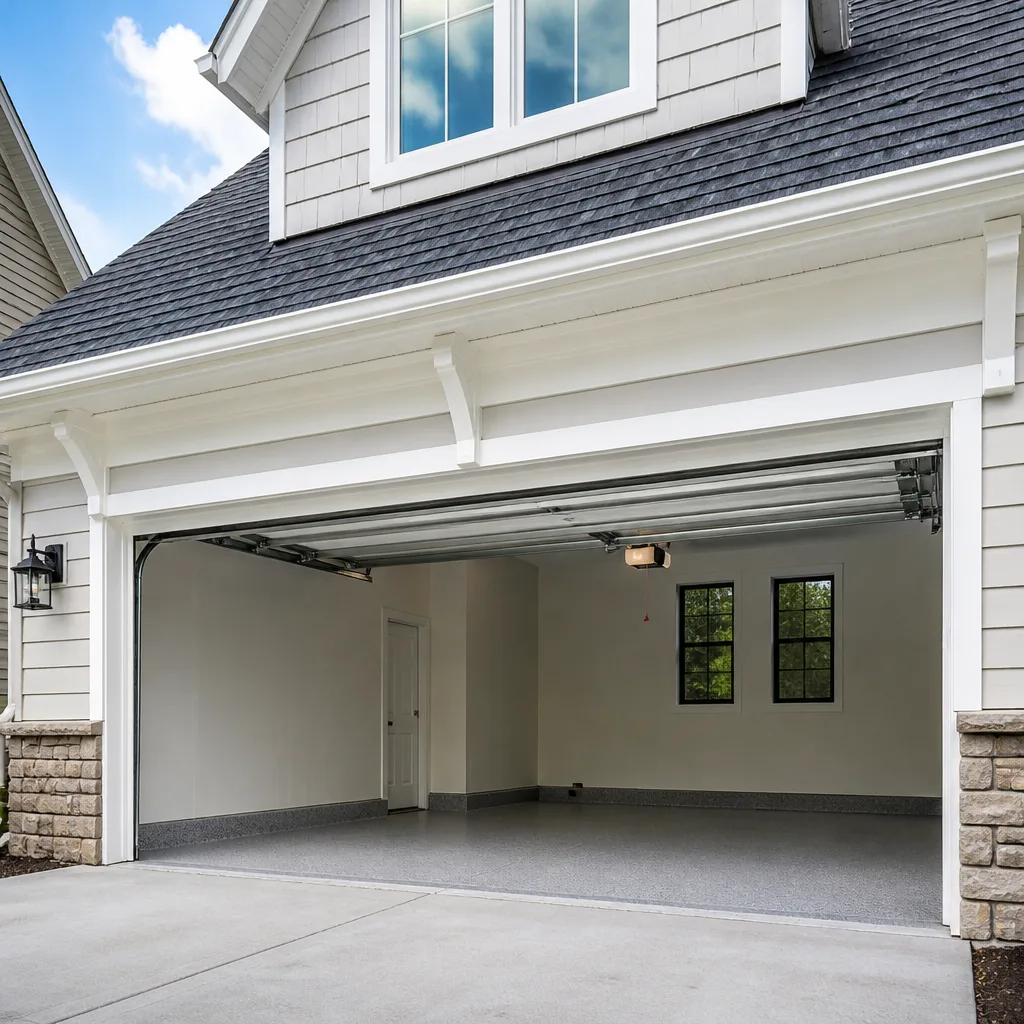 LiftMaster openers
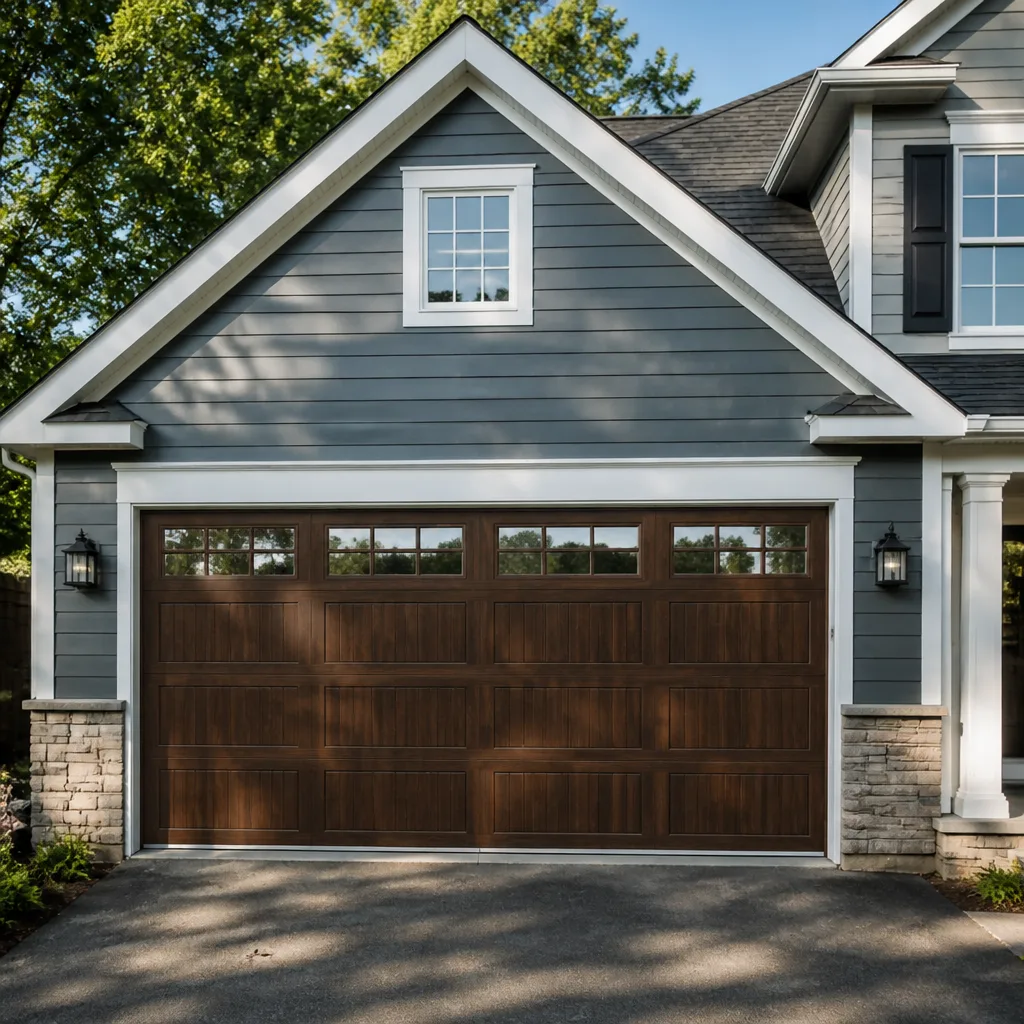 Chamberlain openers
Full 25-point door and opener safety check with every visit - springs, cables, rollers, tracks, and your LiftMaster or Chamberlain opener included
You get a price before we start. It does not change when the pro arrives.
Get your free estimateGarage Door Permits, Codes & Inspections in Port Saint Lucie, FL: What You Need to Know
Most homeowners assume a permit is something you pull for a room addition or a pool cage, not for a garage door. That assumption is the expensive one. In Port Saint Lucie, swapping a garage door is an opening-protection change on a home built in a wind zone, and the county treats it as permitted work. The permit itself is a small line on a contractor’s estimate. Skipping it can surface years later as a title problem, an insurance question, or an inspector’s red flag in the middle of a sale. This guide explains when you need a permit in Port Saint Lucie, what a NOA number actually means, how inspectors verify wind-load ratings, and why the paperwork sits right next to your insurance credit. We’ll walk through the process the way it actually works here.
Quick Answer
In Port Saint Lucie, replacing a garage door – or replacing the door and its tracks, springs or opener as a unit – generally requires a building permit from the City of Port Saint Lucie Building Department, because the door is a structural opening-protection component rated for wind load. Routine repair of an existing door (rollers, hinges, a broken spring, an opener swap on the same door) usually does not require a permit, but you should confirm with the building department on your specific scope. A permitted, code-compliant door with the correct product approval is what generates the wind mitigation credit on your insurance, and it’s what keeps your home sale clean.
Styles & brands we work with
- Raised-panel steel
- Carriage house
- Modern flush
- Full-view glass
- LiftMaster openers
- Chamberlain openers
Table of Contents
- When Is a Garage Door Permit Required in Port Saint Lucie?
- Repair vs. Replacement vs. Opener Swap: What Triggers a Permit
- Florida’s High-Velocity Hurricane Zone and What NOA Numbers Mean
- Wind-Load Ratings for St. Lucie County and How Inspectors Verify Them
- How a Permitted Garage Door Affects Your Wind Mitigation Report
- The City of Port Saint Lucie Permit Process, Step by Step
- What the Inspection Actually Checks
- Who Pulls the Permit: You, the Contractor, or Both?
When Is a Garage Door Permit Required in Port Saint Lucie?
A garage door replacement in Port Saint Lucie generally requires a permit. The door is not a cosmetic finish – it’s a large, wind-rated opening on the face of the house, and the county treats it as an opening-protection component. When you’re swapping out the whole door, the expectation is that the work is permitted and inspected so the final product on the house matches the approved product.
The distinction that matters most is between replacement and repair. Those are different jobs with different paperwork.
- Replacement of the door, sections or panels: generally permitted. A new door, or a door replaced section-by-section with panels of a different rated product, is an opening-protection change.
- Replacement of tracks, springs, or the whole door assembly: generally permitted if the door rating is affected. Springs and tracks are part of the door’s engineered system.
- Repair of an existing door: rollers, hinges, cables, a bent track, a winding spring, a broken opener – usually not permitted, because the door’s rating and the opening-protection product aren’t changing.
- Opener-only swap on the same door: usually not permitted if the door itself is unchanged, though many homeowners still use a licensed electrician or a garage door specialist for the electrical connection.
That last point trips people up. An opener is electrical, and some jurisdictions want permits for new electrical circuits; a straight swap of one opener for another on an existing circuit is a different story. Rather than guess, we tell homeowners in Port Saint Lucie to call the City of Port Saint Lucie Building Department with the scope of their job before work starts. It’s a five-minute phone call that settles the question. Our team also can’t answer whether a permit is required for a specific address on the county’s behalf, but we can describe the scope in the language the building department uses, because we work on the same doors across Port Saint Lucie every week. When a door needs repair, we point homeowners to garage door repair; when a door needs replacement, the permit is part of that conversation from the start.
Repair vs. Replacement vs. Opener Swap: What Triggers a Permit
Here’s the rule of thumb we use. If you’re changing what the door is – its product approval, its wind rating, its structural opening – assume a permit. If you’re restoring an existing, already-permitted door back to working condition, you’re usually in repair territory.
Replacement
Removing a door and installing a new one puts a new product on the opening. That product needs to be approved for the location, and the county wants proof it was installed to the manufacturer’s instructions. Replacement is the case where permits are most clearly expected. Whether you’re looking at a garage door installation or a new door for a home you just bought, plan for the permit.
Repair
Repairs keep the same door. A snapped torsion spring, a worn roller, a misaligned track, a bent hinge – these are service work on an existing opening. No permit for these, but the safety stakes are real. Torsion and extension springs store serious energy and can cause serious injury. Our technicians handle that work because a spring that lets go on a homeowner mid-repair is a hospital trip. We don’t give step-by-step instructions on spring work.
Opener swap
Replacing an opener on the same door does not change the door’s rating. Most of the time no permit is required. If the swap involves a new dedicated electrical circuit, that part falls under electrical permitting. We work on LiftMaster, Chamberlain, Genie, Craftsman and the rest of the major opener brands, and our garage door opener repair service handles both repairs and swaps on whatever you already have.
Florida’s High-Velocity Hurricane Zone and What NOA Numbers Mean
Florida handles wind ratings through a product approval system, and the term you’ll hear most is the High-Velocity Hurricane Zone, or HVHZ. Understanding what HVHZ is (and where it applies) clears up a lot of confusion for Port Saint Lucie homeowners, because the state’s rules are stricter in some places than others.
The High-Velocity Hurricane Zone primarily covers the southernmost counties in the state – Miami-Dade and Broward. St. Lucie County, where Port Saint Lucie sits, is not in the HVHZ. That matters because a lot of the language online about “HVHZ-approved” doors is talking about the strictest approval path in Florida, and some door products carry that approval while others carry a Florida statewide approval instead. Both are legitimate; they just represent different approval routes.
The product approval itself is often expressed as a NOA – a Notice of Acceptance – issued by a county building department (commonly Miami-Dade) for a specific product. The NOA is a document the manufacturer obtains, and it spells out the approved product, allowable design pressure, installation requirements, and any limitations. When a builder or installer tells you a door “has a NOA,” what they mean is the door is listed under an accepted product approval and can be installed where that approval is valid.
For Port Saint Lucie, the practical questions are:
- Is the door approved for the design pressure needed at this address? That depends on where the home sits relative to the wind zone maps and the building code edition the county uses.
- Has the manufacturer’s installation instructions been followed? The approval covers the product AND the specified installation. Fasteners, track anchoring, and jamb preparation are part of it.
- Is the paperwork on file? A permit creates the paper trail. A replacement without a permit leaves the homeowner holding a receipt and an installer’s word with nothing on record.
In our experience, brands like Clopay, Amarr, and Wayne Dalton publish product approval documents for their residential doors, and the installer’s job is to match the right door to the right opening and install it correctly. We handle Clopay and Amarr doors regularly, along with the opener brands and a good number of older Craftsman doors on Port Saint Lucie homes.
Wind-Load Ratings for St. Lucie County and How Inspectors Verify Them
Wind-load rating is the term most homeowners hear and least often understand. It isn’t a marketing label on a box; it’s an engineering number. A door’s rating says it can resist a certain pressure without failing, and that pressure has to meet or exceed what the building code requires for its location. St. Lucie County sits in a wind zone where the design pressure is meaningful, and garage doors are one of the largest openings on a residential structure – which is why they get rated at all.
Inspectors verify compliance by looking at several things together:
- The door label. Approved doors carry a label or marking indicating the product and its approval. The inspector reads it.
- The paperwork. The permit drawings or submittal should show the door’s product approval and the design pressure it meets.
- The installation. Fastener type, spacing, anchoring to the jamb, and track attachment are checked against the manufacturer’s published instructions. The approval is only valid if the installation matches.
- The opener and tracks. The opening’s rated performance assumes the door is installed as tested. Tracks and springs that don’t belong to the rated assembly undercut the rating.
Where homeowners get hurt is on the last two items. They buy a rated door and then have it installed by someone who’s never read the manufacturer’s instructions, or they add a heavier door panel to a door opening that’s rated for something lighter. The label says one thing; the installed condition says another. That’s the gap an inspector is trained to catch.
We keep this in mind on every Port Saint Lucie job. When a client calls about a door on the west side of town near the Torino or Tradition area with a heavy double-car door, we’re thinking about the rated assembly, not just “does the door fit.” Garage doors are all we do, which is why this detail comes up early in the conversation rather than as an afterthought.
How a Permitted Garage Door Affects Your Wind Mitigation Report
Florida insurers ask homeowners to complete a wind mitigation inspection. The report documents features of the home – roof geometry, roof-to-wall attachments, window and door opening protection, and more – and insurers use it to set the premium. A garage door that’s rated and properly installed can be one of the qualifying features, and the paperwork matters.
Here’s the point we want Port Saint Lucie homeowners to hear clearly: a permitted, inspected, code-compliant garage door is what supports a wind mitigation credit. An unpermitted replacement has no inspection record, and no verification that what’s on the house matches what was approved. If a wind mitigation inspector can’t verify the door, the credit on that opening protection item is at risk.
- Permitted and inspected: the door is documented. The closing paperwork and inspection record exist.
- Unpermitted replacement: the door might be fine, but there’s no verification. A wind mitigation report may or may not give credit depending on what the inspector can see and verify.
- Older door, no record: the door may be original to the home; that’s a different situation from an unpermitted replacement, and a wind mitigation inspection can still evaluate the existing opening protection.
We can’t tell you what your insurer will do with your report – that’s between you, your inspector, and your agent. But we can tell you that a permitted installation is the version of the story that holds up. When a homeowner is replacing a door and wants to keep the wind mitigation credit intact, the permit is part of the project.
The flip side is sales. When a buyer’s inspector finds an unpermitted garage door on a Port Saint Lucie home, the closing timeline becomes the seller’s problem. Either the door gets retroactively permitted (which can mean opening walls if the installer left the original track), or the buyer asks for a credit, or the deal stalls. The permit fee is small; the closing delay is not.
The City of Port Saint Lucie Permit Process, Step by Step
The process itself is straightforward when the paperwork is right. Here’s a general outline of how a garage door replacement permit moves through the City of Port Saint Lucie:
- Confirm the scope and the door. Decide on the replacement door and confirm it has a valid product approval for the design pressure at your address. Your installer should be able to supply the manufacturer’s approval document.
- Prepare the submittal. A permit application generally includes the property address, the scope of work, the door’s product approval, the installer’s information, and details of the installation. Requirements can change, so ask the building department what they want on your submittal.
- Submit and pay the permit fee. Fees vary by jurisdiction and by valuation; ask the City of Port Saint Lucie Building Department for the current fee on a garage door replacement.
- Receive the permit. The permit is issued and typically must be posted or available on site while work is underway.
- Installation. The installer installs the door per the manufacturer’s instructions and the approved submittal. Any changes to product or configuration require a revision, not a silent substitution.
- Inspection. The inspector verifies the installed door against the approval and installation requirements.
- Final inspection and closeout. Once the inspection passes, the permit is closed. Keep the inspection record – it’s documentation for insurance and resale.
One note: the city’s process and the exact submittal requirements can change. We ask that homeowners confirm current requirements directly with the building department before starting. What we do is make sure everything on the installation side matches what the permit requires, because a door installed for the wrong product is a re-inspection waiting to happen.
What the Inspection Actually Checks
The inspection isn’t a general home inspection. It’s narrowly focused on the permitted scope. In Port Saint Lucie, a garage door replacement inspection generally looks at:
- The door product. Is the installed door the product listed in the permit? Label, model, and approval should match.
- The design pressure. The door’s rated pressure must meet or exceed the requirement for the opening.
- The anchoring and fastening. The inspector checks against the manufacturer’s installation instructions. Track anchoring is part of this.
- Clearances and operation. The door should operate correctly and the tracks, springs, and hardware should be installed per the approved assembly.
- Safety features. The opener, if part of the scope, should have the photo-eye safety system functioning.
Two failure modes we see on re-inspections: the wrong door product installed (substitution of a door with a different approval), and the correct door installed incorrectly (fasteners or anchoring not matching the manufacturer’s published assembly). Both are avoidable if the installer reads the approval and the instructions together. Our technicians work the same assembly every day; we’ve learned to treat the installation instructions as the actual spec, not a suggestion.
A note on springs
Spring replacement usually isn’t a permitted scope on its own, because it doesn’t change the door’s product approval. But spring work is the most dangerous work on any garage door. Torsion springs carry stored energy that can cause serious injury if they let go during a do-it-yourself repair. We don’t give step-by-step instructions for spring work, and we recommend anyone other than a trained technician stay out of the winding assembly. Our Port Saint Lucie Garage Door Repair Pros team handles spring work as part of the same full-spectrum service that covers doors, openers, and parts.
Who Pulls the Permit: You, the Contractor, or Both?
Either a licensed contractor or the homeowner can pull the permit, though the practical answer in Port Saint Lucie is the contractor, because the contractor’s information goes on the submittal and the inspection. When we connect a homeowner with a local licensed installer, that installer typically handles the permit as part of the replacement project. The homeowner’s role is to confirm the scope, keep the final inspection record, and make sure the permit is closed.
A few questions to ask any installer before the project starts:
- Will you pull the permit for this replacement?
- Can you show me the door’s product approval document for my address?
- Who pays the permit fee, and is it listed on the written estimate?
- What happens at the final inspection, and will I get a copy of the record?
If the answer to the first question is “you don’t need a permit for this,” get a second opinion from the City of Port Saint Lucie Building Department before you agree to the work. That’s the single most important question in this whole guide.
At Port Saint Lucie Garage Door Repair Pros, we connect homeowners to independent, licensed local professionals who handle the installation side of the door. The quote you sign should be the scope, the door, and the permit, all agreed before work begins. That’s how we’ve done every replacement conversation with Port Saint Lucie homeowners – no surprises at the end, no mystery line items.
Common Mistakes to Avoid
These are the mistakes we hear about again and again from homeowners who end up calling us after the fact. Each one is avoidable with a little forethought.
- Assuming permits are only for big projects. A garage door replacement in Port Saint Lucie is a permit-scale project even though it’s a one-day install. Asking “does this need a permit?” costs nothing; asking a year later costs a lot.
- Buying the door before checking the approval. A good-looking door that doesn’t carry the right product approval for your address is the wrong door. Confirm the approval first, then buy.
- Substituting door products after the permit is issued. The permit lists a product. Installing a different door violates the permit and creates a re-inspection.
- Letting an installer skip the permit to “save the fee.” The permit fee is small compared to the paperwork problem at resale, and skipping it is how unpermitted doors end up on Port Saint Lucie homes in the first place.
- Not keeping the inspection record. The closed permit and inspection in your files is what you’ll need for a wind mitigation inspection and for the sale of the home.
- Having the door installed by someone who doesn’t know your brand. A generalist on a Clopay or Amarr door may fit it, but the anchoring and assembly details are brand-specific. Working within the manufacturer’s published installation is how the approval stays valid.
- Assuming a hurricane-rated door implies an HVHZ-approved door. They’re different approval paths. St. Lucie County isn’t in the HVHZ, so the correct product for your home is the one approved for this location, not the strictest product on the market.
See the difference
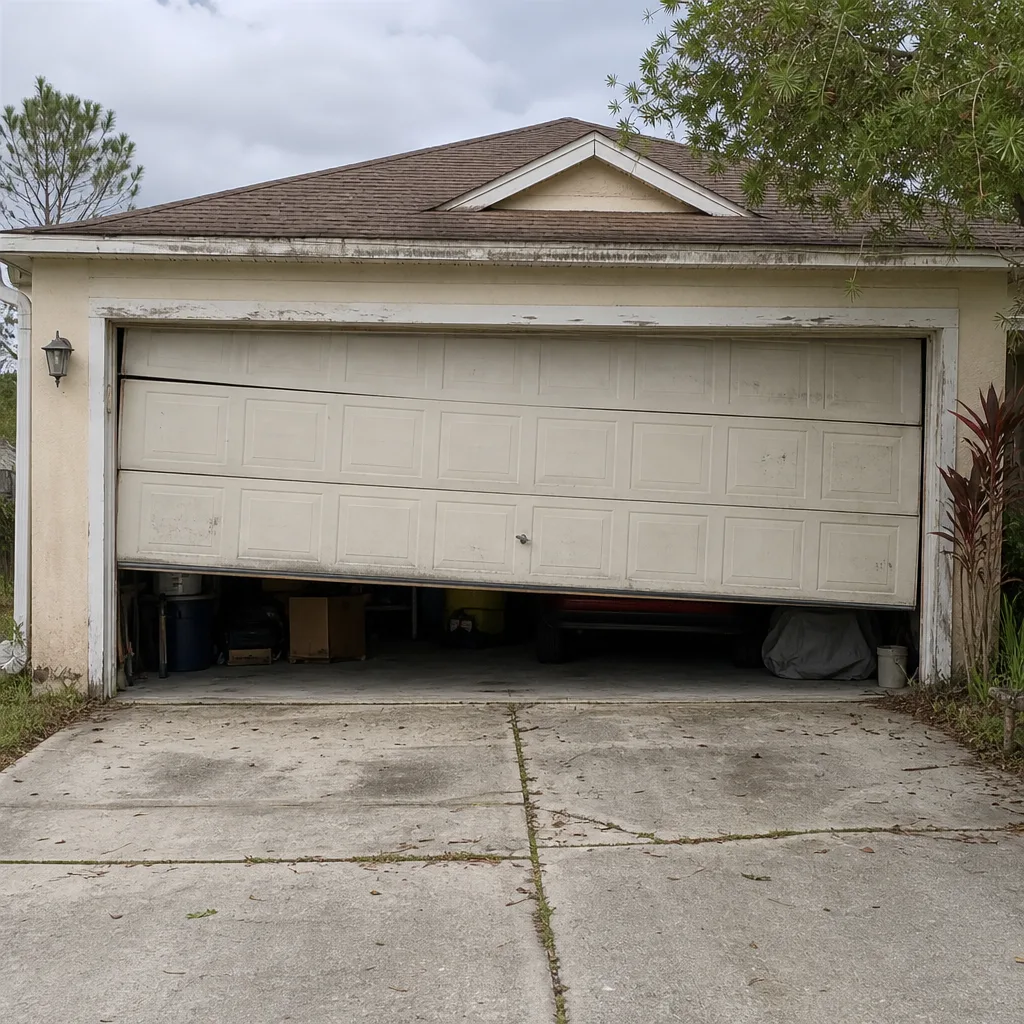 Before
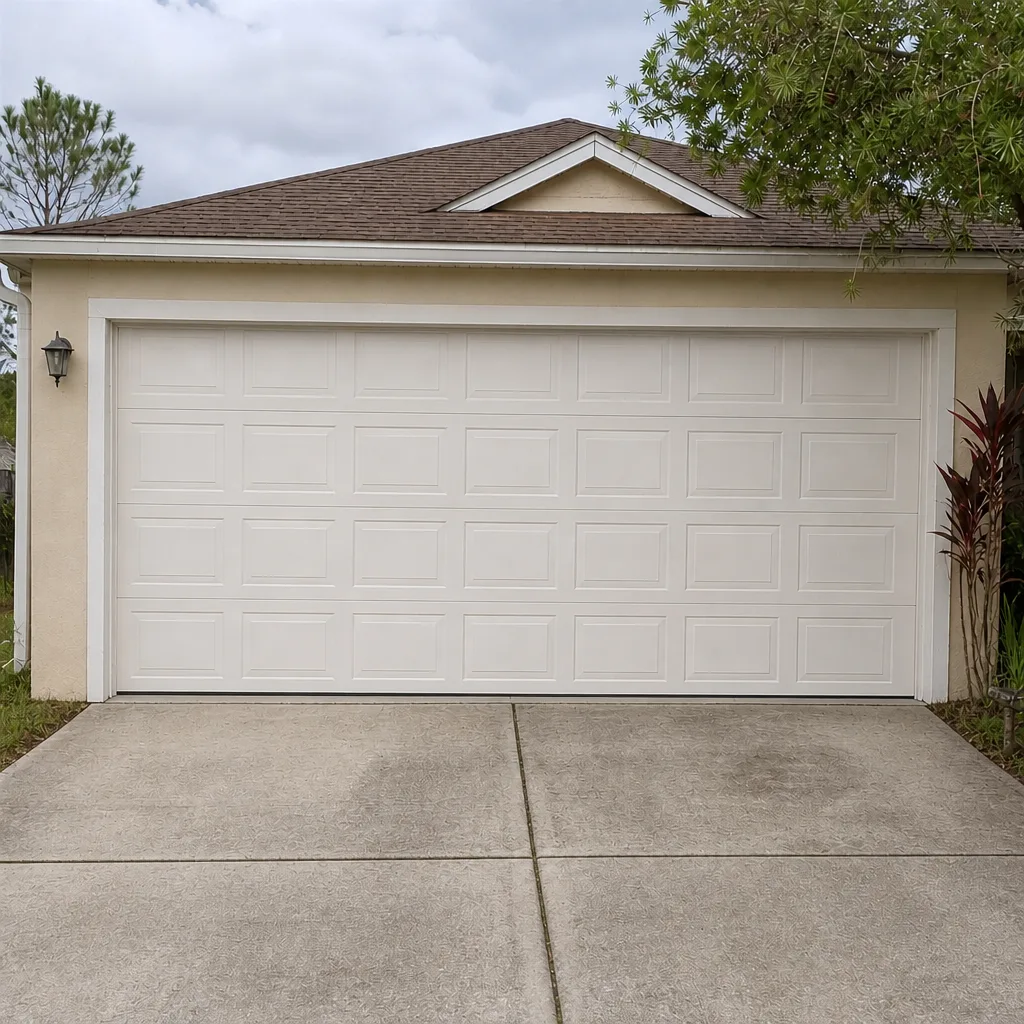 After
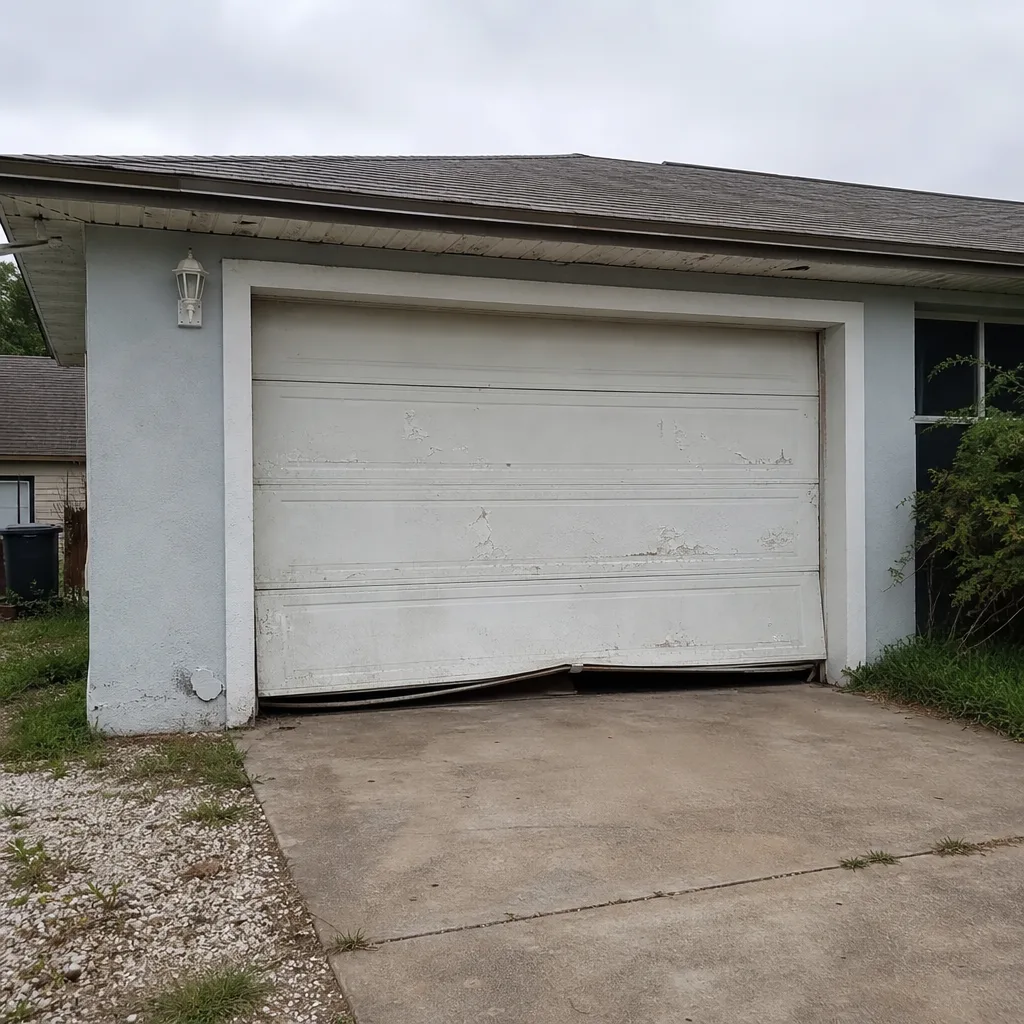 Before
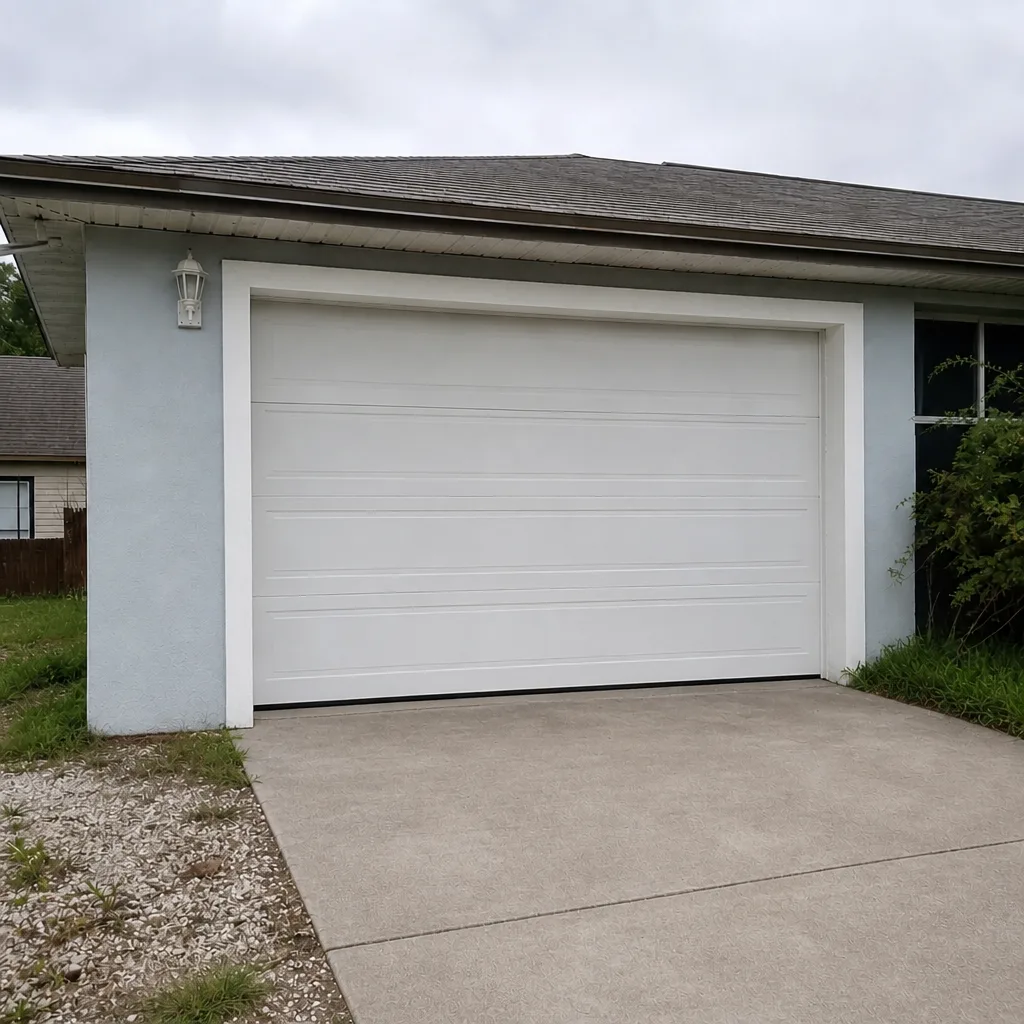 After
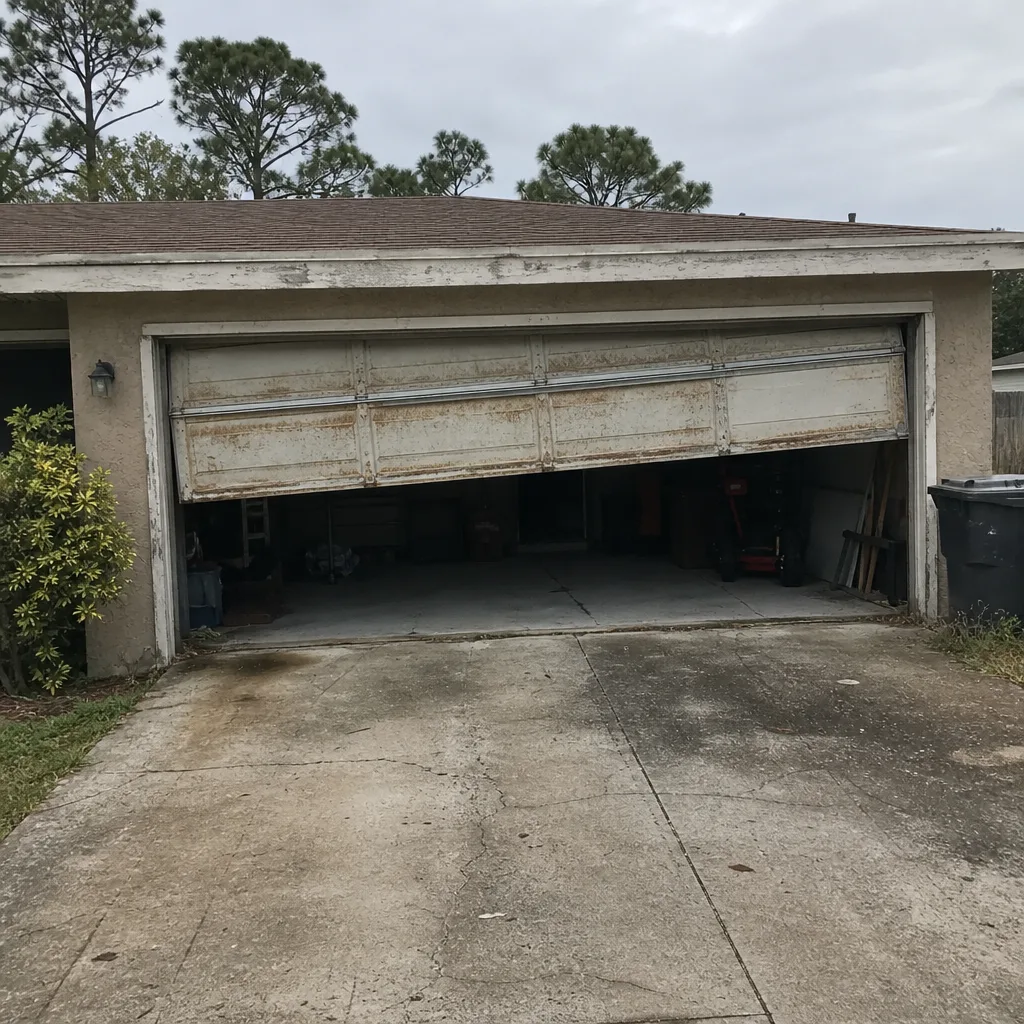 Before
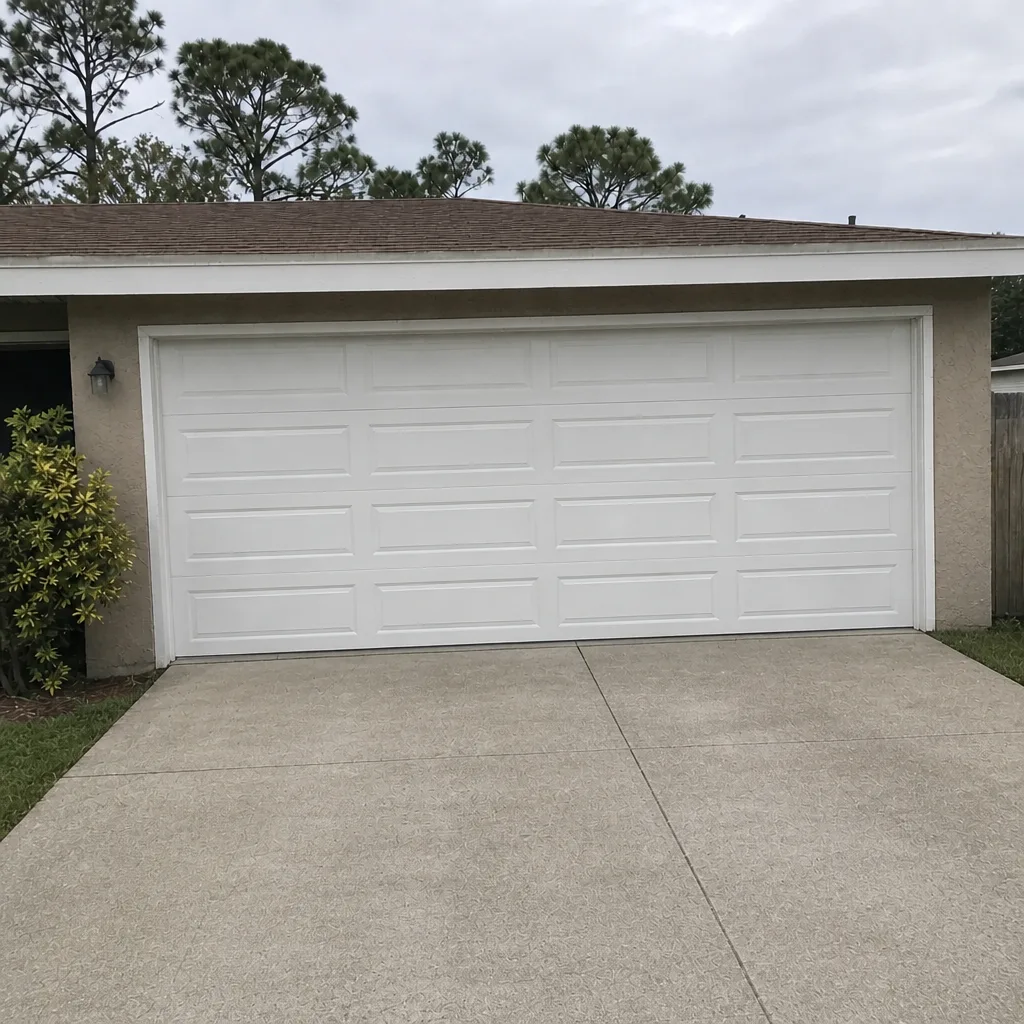 After
When to Call a Professional
Most of this guide is about paperwork, but there are moments when the work itself needs a trained technician on site. If a spring has snapped and the door won’t lift safely, that’s not a project to take on. If the cables are slack, the door is hanging off one track, or the panels are separating from the jamb, that’s a repair with real safety stakes. If your door is being replaced and you need to know what product approval applies before you buy, our team can walk you through what’s on your current door and what the new one will need to meet. We work on whatever brand is already in your garage – Clopay, Amarr, Wayne Dalton, Craftsman, and the rest – and we keep parts on hand for the brands we service so the fix is often a same-visit repair.
Port Saint Lucie Garage Door Repair Pros offers free estimates in Port Saint Lucie – call (855) 814-2973. We answer 24/7. Fast dispatch from 7am to 7pm, Sunday through Friday. A call outside dispatch hours is booked into the next opening.
Frequently Asked Questions
In most cases, yes. A garage door replacement in Port Saint Lucie generally requires a building permit from the City of Port Saint Lucie Building Department because the garage door is an opening-protection component rated for wind load, and the replacement changes what’s on the opening. Routine repair on an existing door usually doesn’t require a permit. Confirm with the building department on your specific scope before work starts. Call (855) 814-2973 for an exact quote on the installation – estimates are free.
A NOA, or Notice of Acceptance, is the document that lists a specific building product and the conditions under which it can be installed in a high-wind area. It matters because it’s the proof that a garage door is approved for the opening, and inspectors use it to verify what’s on the house matches what was permitted. Your installer should be able to show you the NOA or product approval for the door you’re considering. Call (855) 814-2973 if you’re not sure what’s approved for your address – we can point you to the right product.
It can. Florida insurers use wind mitigation inspections, and a permitted, code-compliant, correctly installed garage door is one of the features that can support a wind mitigation credit on the opening protection item. An unpermitted replacement leaves no inspection record, and without verification the inspector may not be able to credit the door. What your insurer does with the report is between you and your agent. Call (855) 814-2973 to talk through the door side of a wind mitigation plan – estimates are free.
An opener swap on the same door usually doesn’t require a building permit, because it doesn’t change the door’s product approval or wind rating. A new dedicated electrical circuit for the opener is a different matter and falls under electrical permitting. When in doubt, ask the City of Port Saint Lucie Building Department with the scope in front of you. Call (855) 814-2973 for a quote on an opener replacement – estimates are free.
An inspector checks that the installed door matches the product listed on the permit, that it meets the required design pressure for the opening, that the fastening and anchoring match the manufacturer’s installation instructions, and that the door operates correctly with the tracks, springs, and hardware installed per the approved assembly. The inspection is about the door matching its approval, not general home maintenance. Call (855) 814-2973 if you want to know what your door’s current assembly is rated for.
In Port Saint Lucie, the price is quoted and agreed before any work starts, and the written estimate sets the final price. The only changes come from a scope change you approve – adding a permit you didn’t have, or choosing a different door product – and those are priced as a separate line. We connect homeowners to independent, licensed local professionals so the estimate and the invoice match. Call (855) 814-2973 for a free written estimate.
The Bottom Line
In Port Saint Lucie, replacing a garage door means pulling a permit, using a door with the right product approval for your address, installing it per the manufacturer’s instructions, and closing the inspection. That sequence protects your wind mitigation credit, your home sale, and your insurance conversation down the line. The permit is not a formality, and the fee is the cheapest part of the project. Repair on an existing door usually doesn’t require a permit, but spring and hardware work still belongs with a trained technician. If the door needs more than a repair, the permit goes with the project. If you need the work done, call (855) 814-2973. We answer 24/7. Fast dispatch from 7am to 7pm, Sunday through Friday.
Written by the team at Port Saint Lucie Garage Door Repair Pros.